14 Aug Jaw Fracture in Dogs: How Mollie’s Broken Jaw Was Repaired
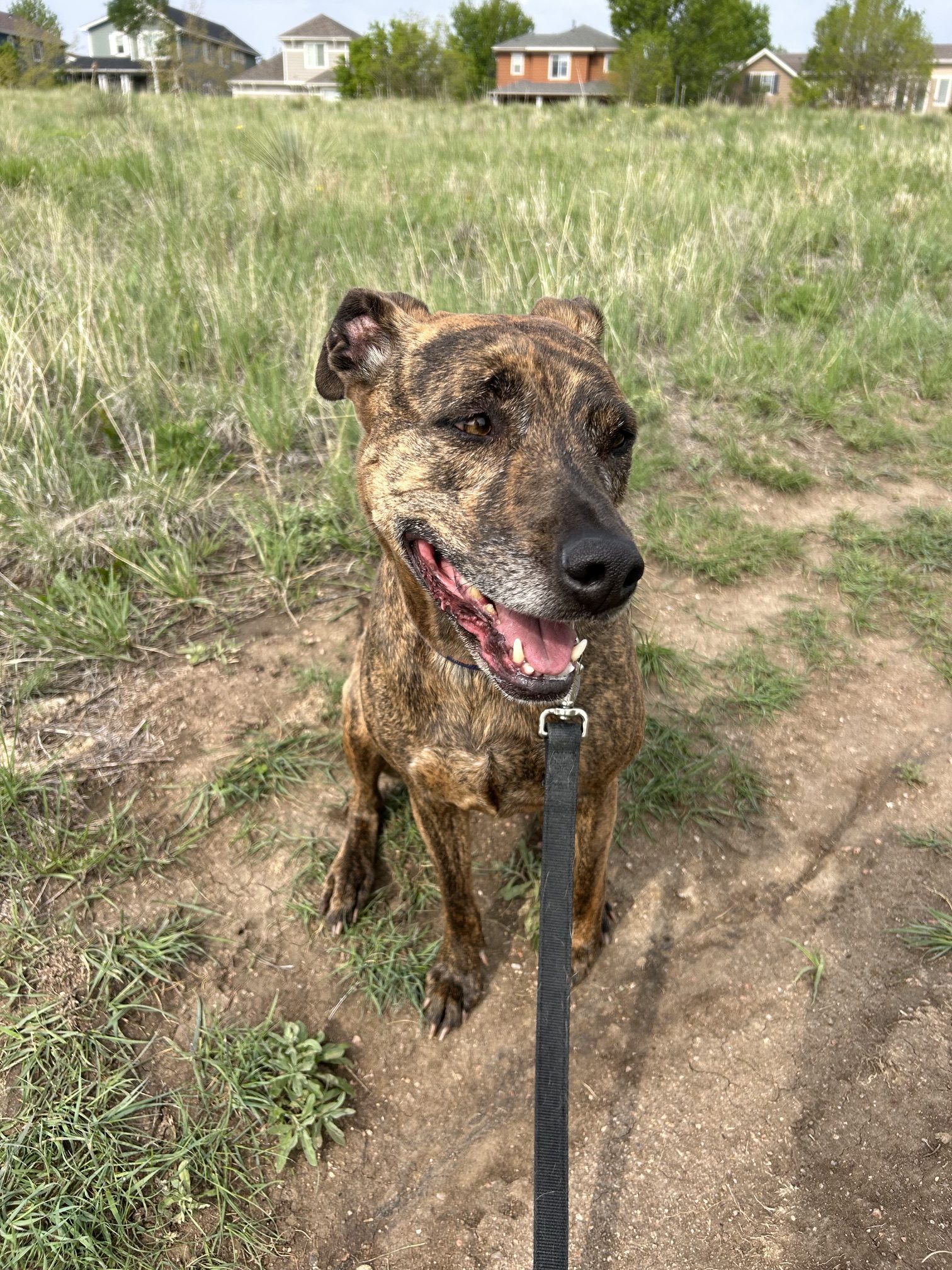
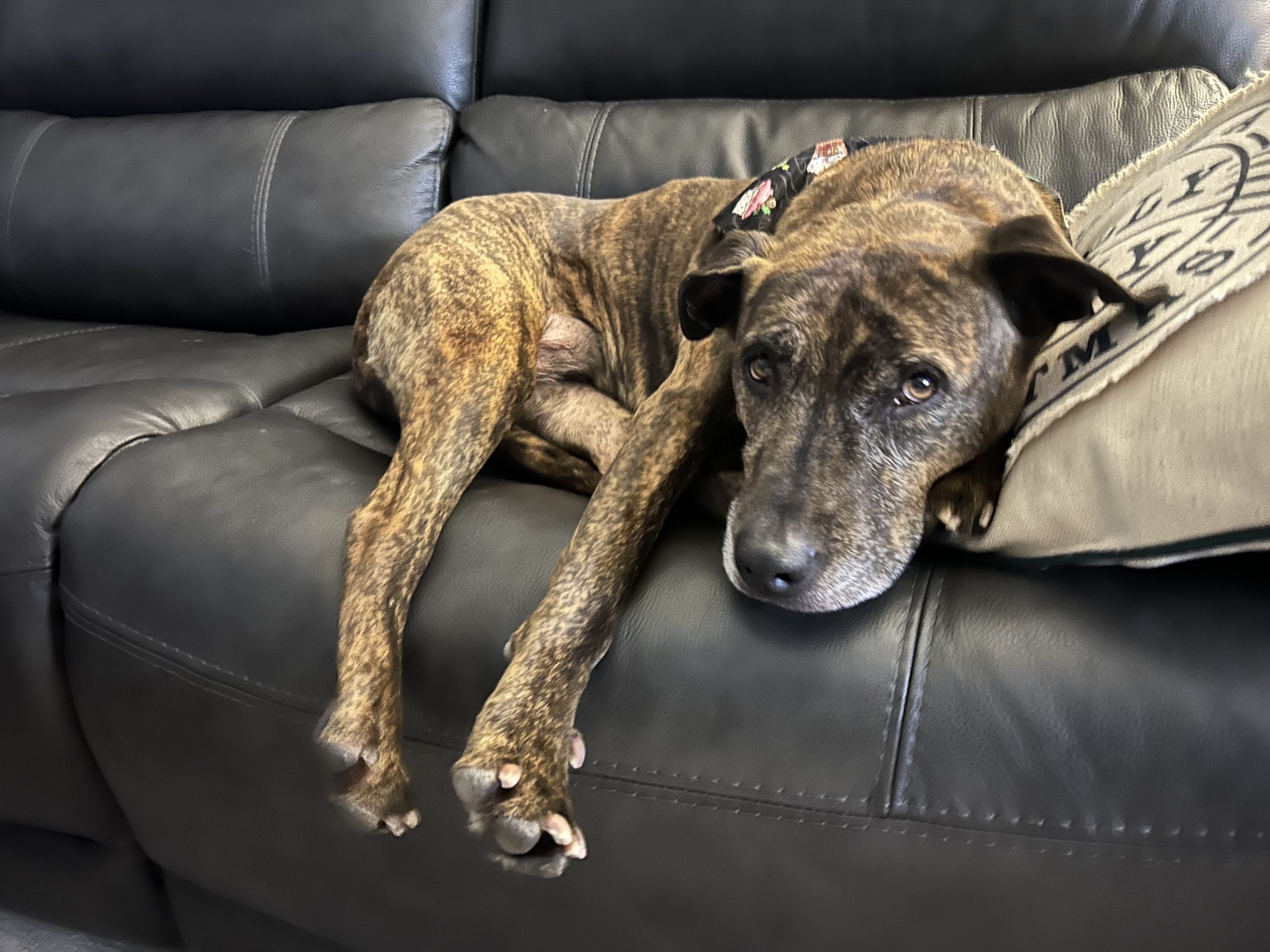
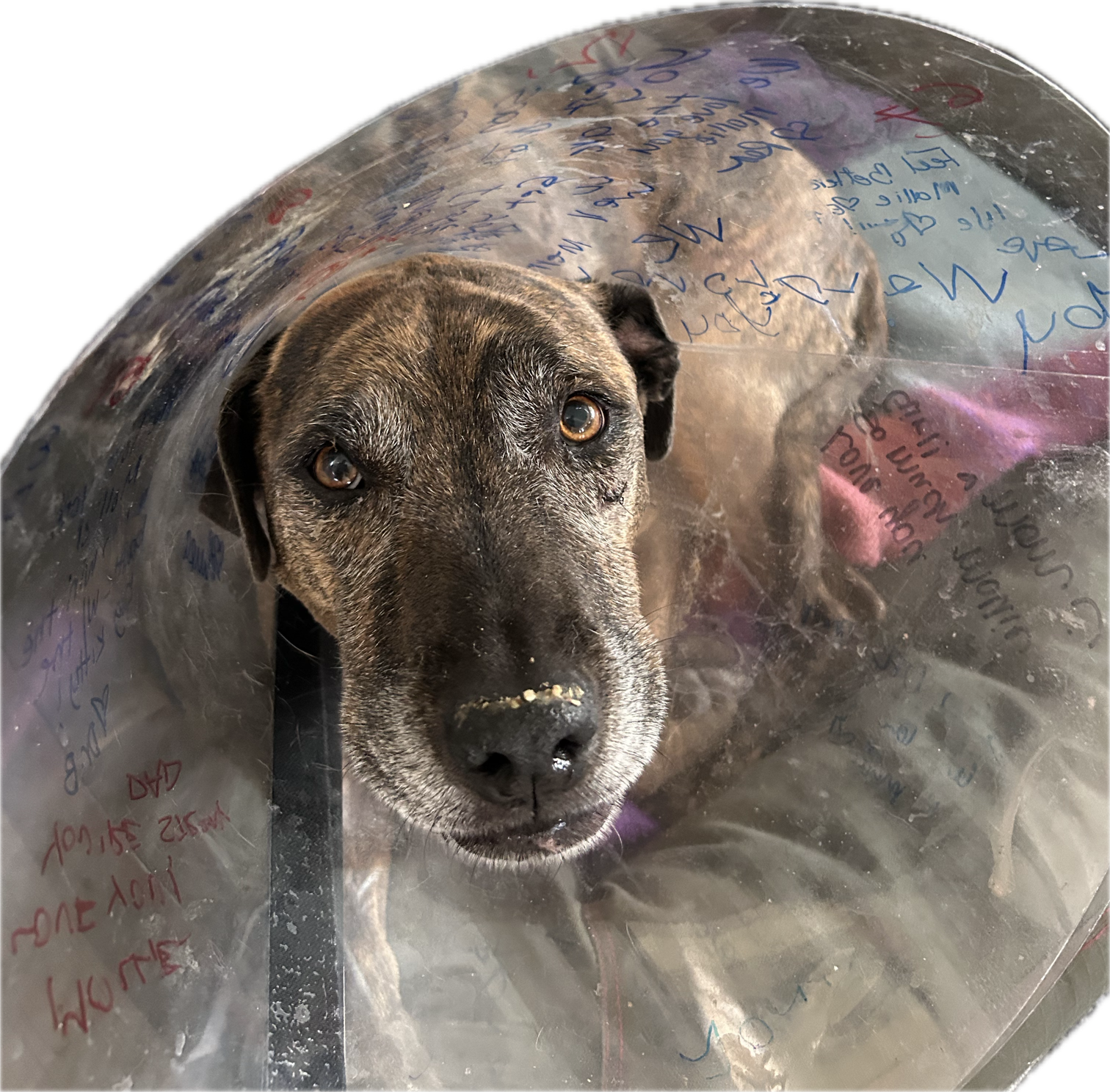
Meet Mollie- a 10-year-old purebred certified cutie whose backyard backs up to a beautiful Colorado open space. One night last November, she was minding her own business and getting in a pre-bedtime potty when her owner heard her cry out from the backyard. When Mollie came inside, she had lacerations on her shoulder and near her eye, and was bleeding from the mouth. She was immediately taken to an emergency clinic, where the doctor fixed her lacerations, and they diagnosed her with a fractured mandible (lower jaw). On further investigation, Mollie’s owners found evidence from a neighbor’s outdoor camera of Mollie’s encounter with an unknown animal, which we suspect was the cause of the trauma.
Diagnosing Mollie’s Jaw Fracture
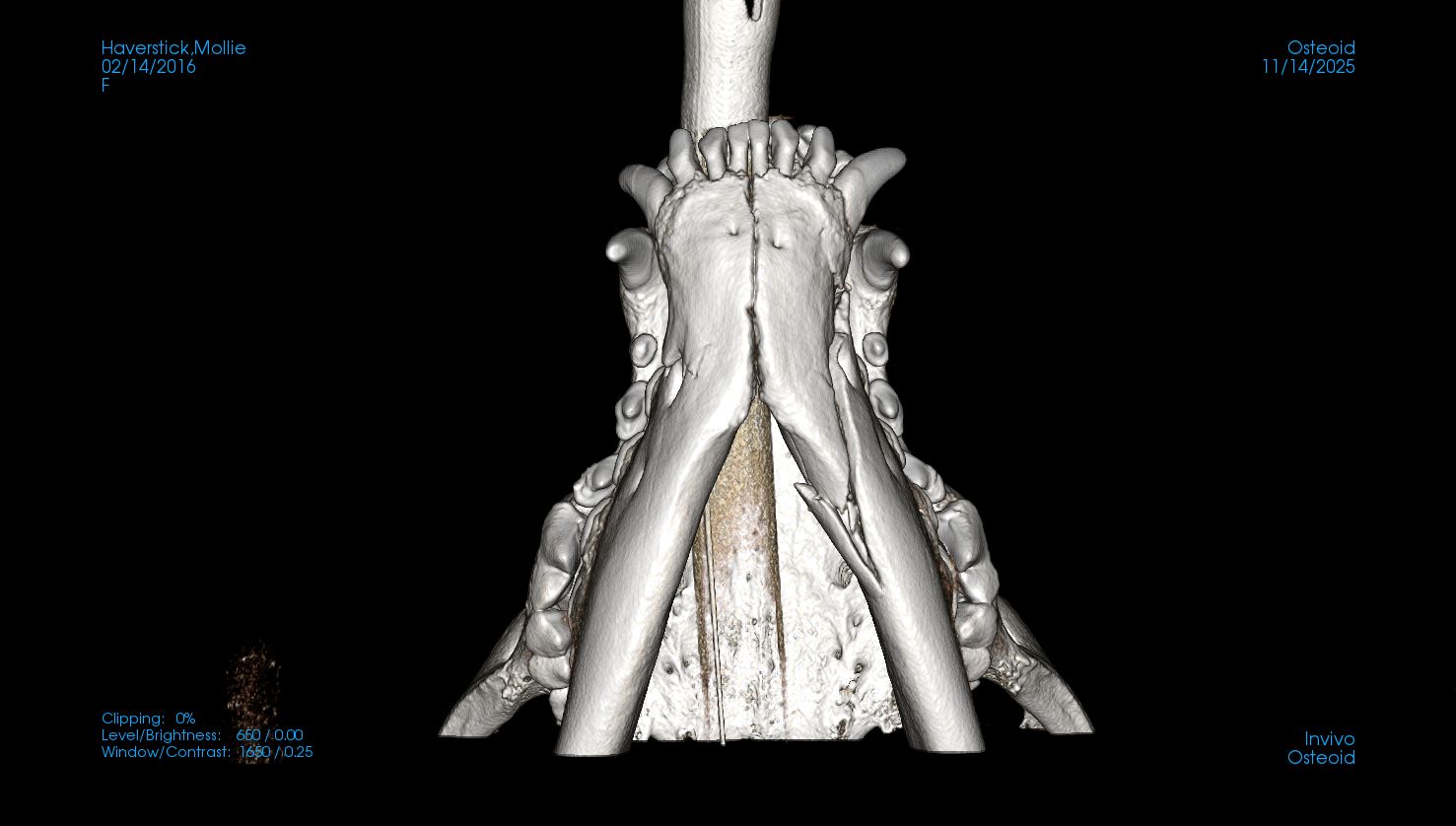
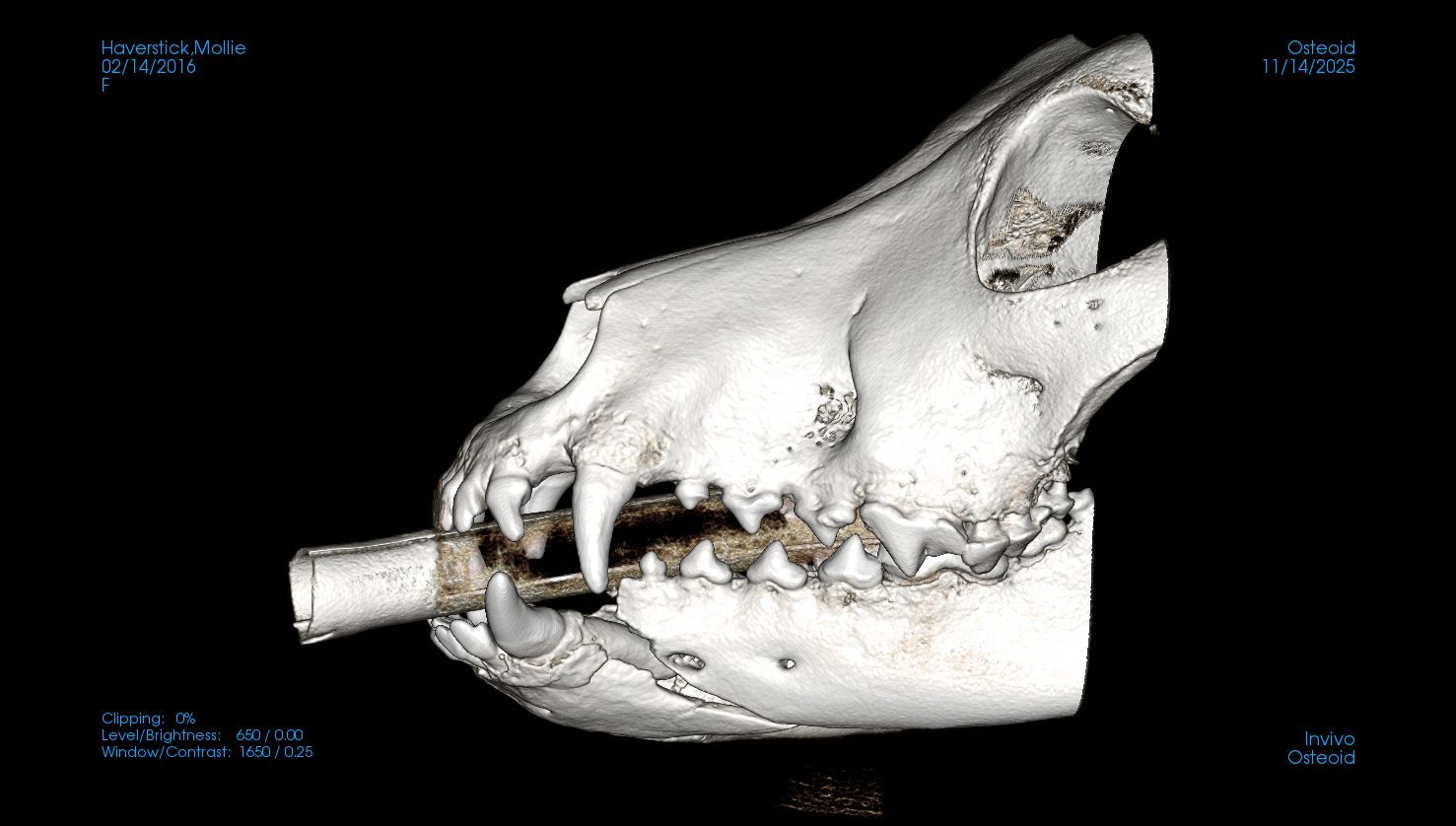
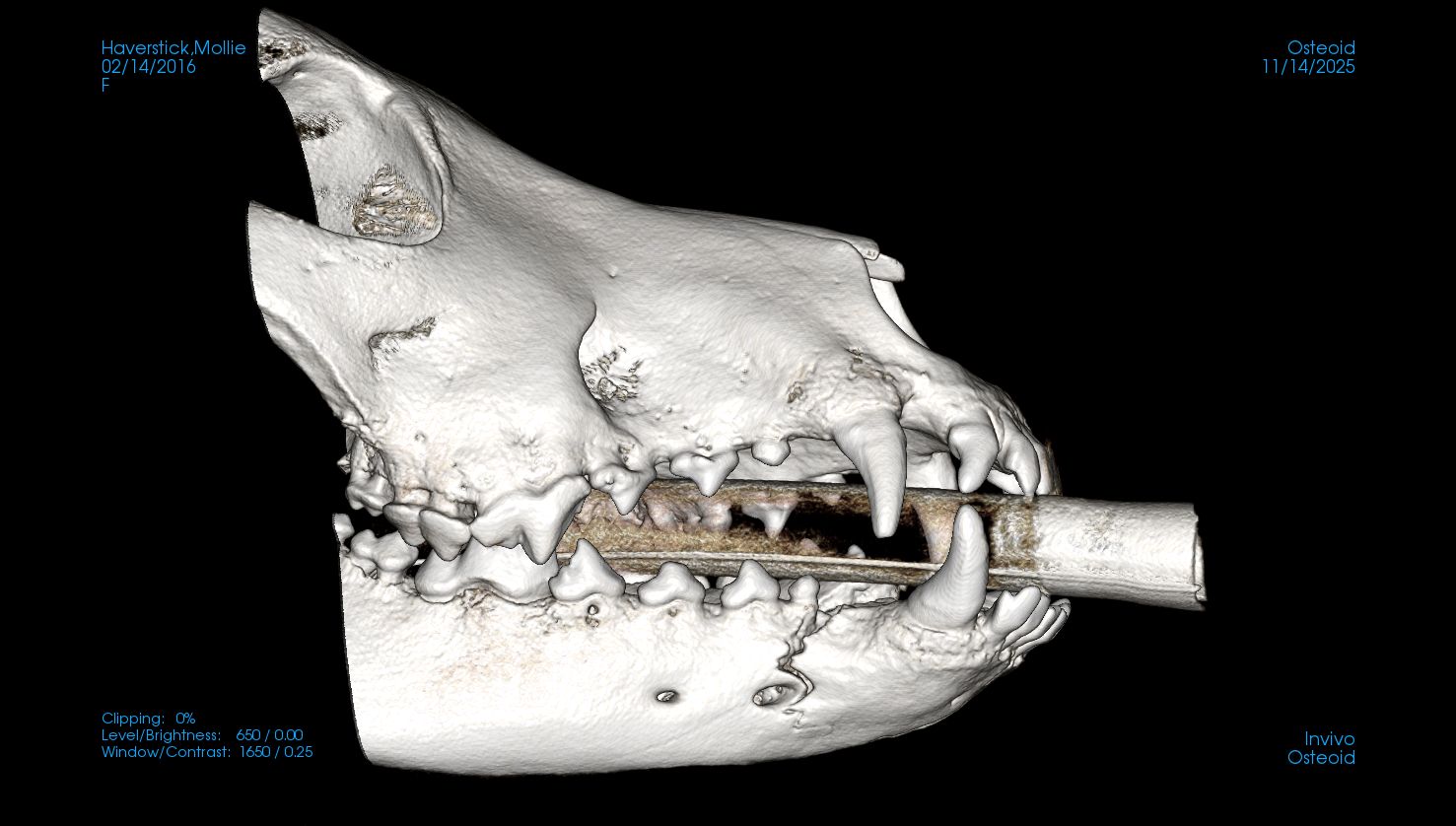
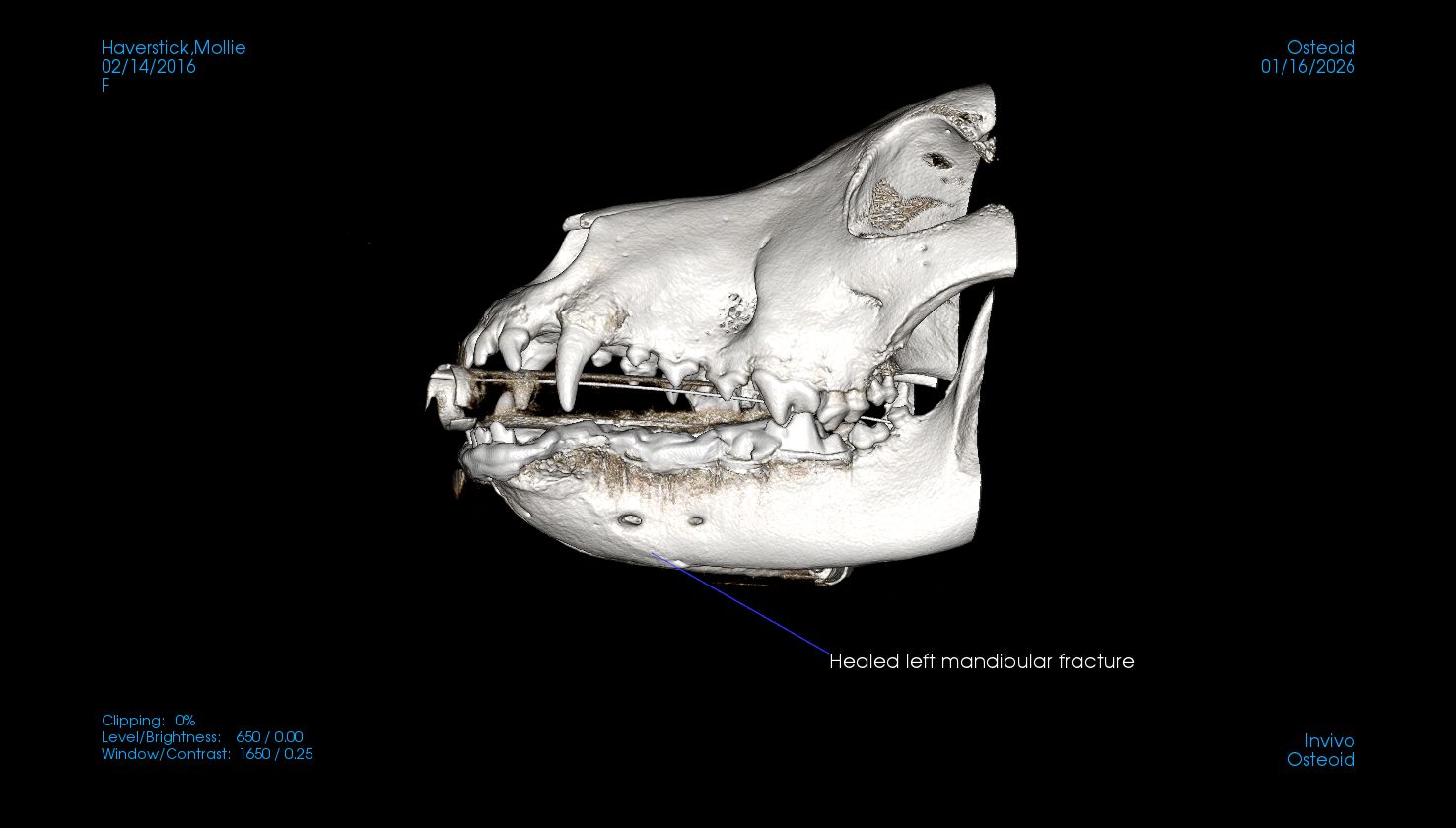
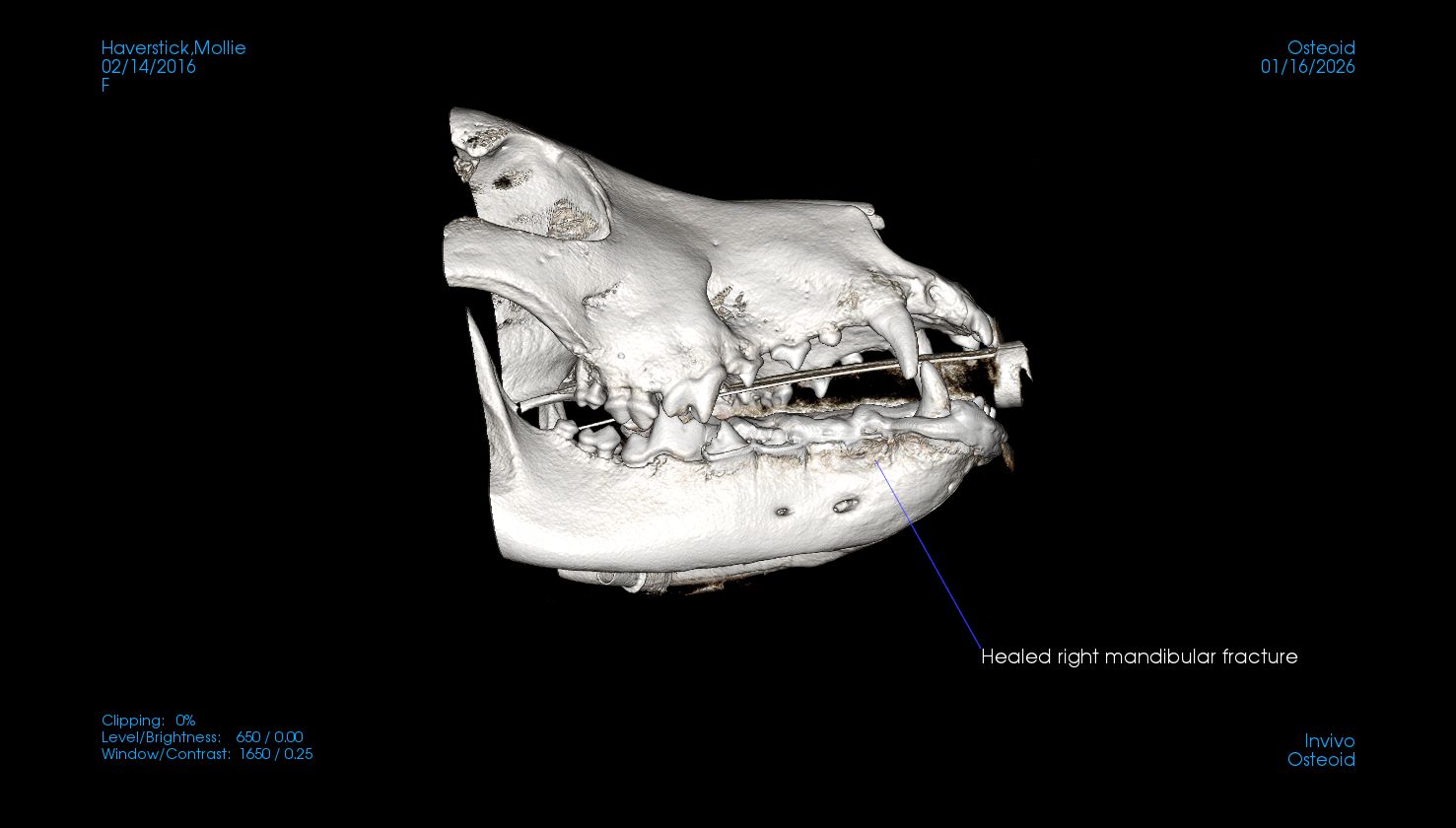
Mollie’s owners brought her to Animal Dental Care and Oral Surgery for a consultation the next day. When I first saw her, Mollie’s mouth was very painful with an obvious fracture. Mollie was anesthetized, and we performed a cone beam computed tomography (CBCT) scan, showing a bilateral mandibular fracture.
How Is a Jaw Fracture in Dogs Treated?
There are many different methods of mandibular fracture fixation- some fractures can be fixed with a plate and screws, others are more appropriately managed with wire placed between the teeth (interdental wiring) and an oral splint. Other times, the best method for fixing a fracture is to apply non-invasive fixation with a muzzle or even shirt buttons applied to the cheeks and under the chin to hold jaw fractures in place.
Why Proper Bite Alignment Matters During Jaw Fracture Repair
The most important factor in mandibular fracture fixation is occlusion- the way that the teeth fit together. This is especially important in canine and feline patients because their canine teeth are so large that if they don’t fit together right, they can cause pain and trauma. In Mollie’s case, we decided that the best method for fracture fixation was interdental wiring with an acrylic splint.
Mollie’s Jaw Fracture Repair and Recovery
After the splinting procedure, Mollie was sent home with instructions to keep her mouth as clean as possible with an oral rinse, as splints can be irritating and become malodorous quickly. We planned to remove her splint and perform a recheck CT in 8 weeks.
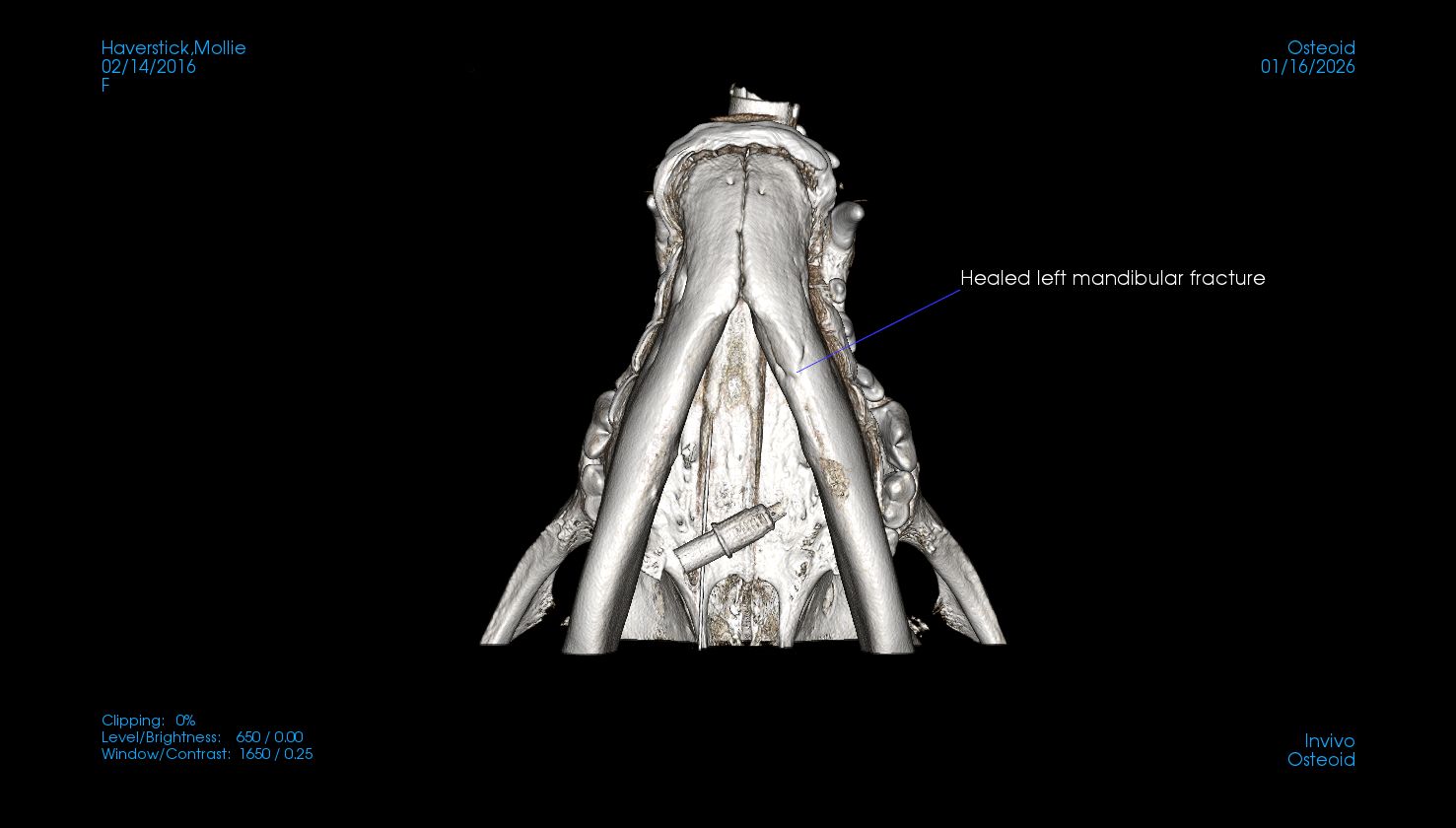
At her 8-week recheck appointment, Mollie was very excited to see us! We anesthetized her, removed her splint, and performed a recheck CBCT. On the new CT scan, it was almost impossible to see where Mollie’s fracture had been! Her mandible was very stable on palpation. She did have relatively severe gingivitis, which is commonly seen on removal of an oral splint, but this had resolved at her final recheck 2 weeks later.
Since her incident, Mollie has gone completely back to living her best life, and has luckily not encountered any more Colorado wildlife in her backyard! We were so happy to be able to help get Mollie back to a pain-free state of health.
Signs and Causes of Jaw Fracture in Dogs
A jaw fracture in dogs is a very common injury and is typically caused by trauma. Most often this trauma involves another animal, but vehicular accidents and blunt force trauma (i.e., the dog is in the wrong place while Dad is practicing his golf swing) commonly lead to injuries as well.
Symptoms of jaw fractures in dogs include blood from the mouth and oral pain initially. If the fracture is only involving one side of the jaw, it will often drift toward that side as well- we call this “mandibular drift.” Jaw fractures are considered emergencies in the veterinary dentistry and oral surgery field, so if you are concerned that your pet has experienced a jaw fracture, please seek veterinary care as soon as possible!
Does Your Dog Need Jaw Fracture Treatment?
Luckily, many options are available for jaw fracture fixation. One of our favorite parts of veterinary dentistry is sending our patients home pain-free after they have experienced a trauma like this. We sincerely hope that you don’t need us for a jaw fracture repair in your pet, but we will be more than happy to help you if you do.
If your dog has experienced a jaw injury or you’re concerned about a possible fracture, don’t wait to get them the care they need. Contact us to schedule an evaluation and discuss the best treatment options for your pet.
Images provided by Animal Dental Care & Oral Surgery