
09 Sep Broken Teeth in Dogs: Causes, Risks, and What to
Dogs are natural chewers, and their teeth are designed to withstand a lot of use. But even the strongest canine teeth can break under the wrong circumstances. Broken teeth in dogs are not only painful but can also put your pet’s overall health at risk if left untreated.
In this blog, we’ll cover the common causes, potential dangers, treatment options, and preventive steps every pet parent should know.
Common Causes of Broken Teeth in Dogs
Some of the most frequent reasons dogs suffer from dental fractures include:
- Chewing on hard objects – Bones, antlers, rocks, and certain plastic or nylon toys are common culprits. Sadly, many of the dog toys and treats sold at pet stores are harmful to your dog’s teeth.
- Trauma or accidents – Falls, collisions, or fights with other dogs can lead to fractured teeth.
- Enamel wear and tear – Years of chewing can thin enamel, making teeth more vulnerable to damage. Tennis balls can be a big culprit of this. The fibers on a tennis ball’s surface can have grit and debris adhere to it and literally be the equivalent of sandpaper on canine teeth. Over time the wear can cause exposure of the pulp chamber under enamel and dentin
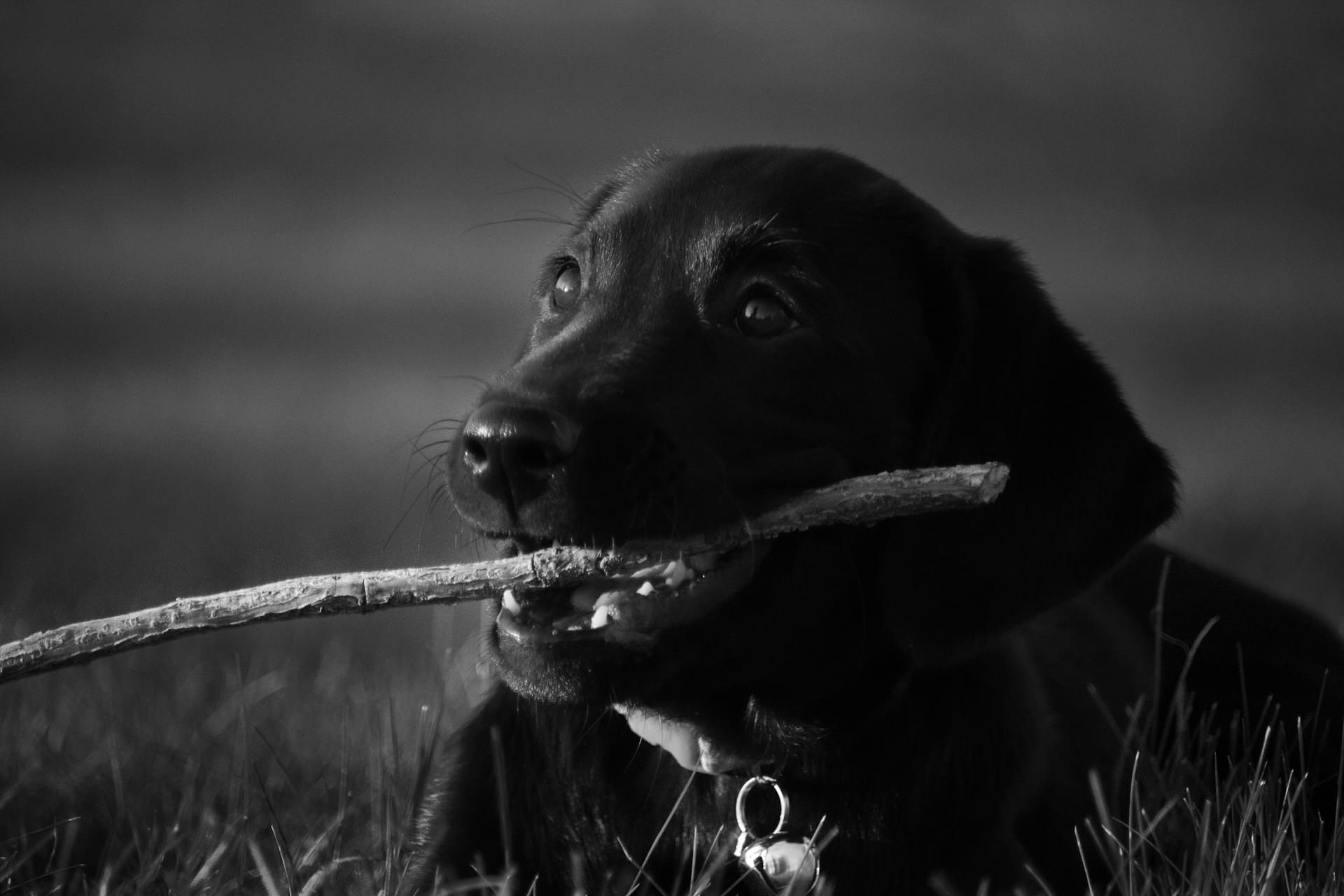
- Chewing inappropriate items – Sticks, fences, or household objects can splinter teeth unexpectedly.
Why Broken Teeth in Dogs Are a Serious Concern
A fractured tooth isn’t just a minor injury—it’s often a painful medical problem.
- Severe pain – Exposed nerves in the pulp cause ongoing discomfort, even if your dog doesn’t show obvious signs. Dogs are stoic animals and hide their pain. When teeth are fractured and pulp is exposed, it is not a question of whether they are in pain, but how can they not be in pain.
- Infection risk – Once the inner pulp is exposed, bacteria will invade, leading to abscesses and possibly swelling.
- Behavior changes – Dogs may stop eating kibble, favor one side of the mouth, or withdraw from play.
- Systemic illness – Oral bacteria can enter the bloodstream and potentially affect vital organs like the heart, liver, or kidneys. Dental disease has been shown to be associated with negative tissue changes in these organs.
Signs Your Dog May Have a Broken Tooth
Look for these red flags at home:
- Sudden refusal to chew toys or eat crunchy food
- Dropping food from the mouth while eating
- Pawing at the mouth or face
- Swelling on the muzzle or jawline
- Noticeable cracks, discoloration, or sharp tooth edges
- Foul breath (often linked to infection)
Any of these signs means it’s time to call your veterinarian. Remember, if you see a fractured tooth in your dog’s mouth, you should still have your veterinarian evaluate it, even if your dog is not showing signs of pain noted above.
Treatment Options for Broken Teeth in Dogs
Veterinary care is essential. Depending on the type and severity of the fracture, treatment may include:
- Extraction – Removing the damaged tooth to prevent pain and infection.
- Root canal therapy – Preserving the tooth by cleaning and sealing the pulp canal. This procedure should be performed by a board-certified veterinary dentist or dental resident. The benefit of root canal therapy is that your pet gets to keep the tooth without having to recover from an extraction procedure. Quite often, veterinary dentists will prepare a tooth at the time of root canal therapy for a metal crown. Impressions are created and sent to an outside laboratory where a metal crown is fabricated. Usually, about 2-3 weeks later, a brief second anesthetic procedure is done where the crown is fit and cemented into place. Root canal and metal crown therapy done by a board-certified veterinary dentist carries an excellent short- and long-term prognosis.
- Pain management – Used to keep your dog comfortable until the tooth can be definitively treated. Antibiotics are of little use for treating fractured teeth unless they have already abscessed and the infection has migrated into surrounding soft tissues like the cheek. Even then, antibiotics will only provide symptomatic relief by temporarily treating the infection. Pain relief is far more the priority.
No matter the treatment, broken teeth in dogs should never be ignored. They do not heal on their own and will worsen over time without intervention.
What to Do Immediately If Your Dog Breaks a Tooth
- Call your vet to schedule an appointment. Broken teeth require professional attention.
- Keep your dog comfortable. Offer soft food until the appointment.
- Follow veterinary advice. Your vet may refer you to a veterinary dentist for advanced care, such as root canal therapy.
Preventing Broken Teeth in Dogs
Prevention goes a long way in avoiding painful dental injuries:
- Choose vet-approved dental chews and toys designed to be safe for teeth.
- Avoid bones, antlers, hooves, rocks, or hard plastic toys.
- Supervise your dog during play and chewing.
- Schedule regular dental exams and cleanings to catch problems early.
Final Thoughts
Broken teeth in dogs are more than just a cosmetic issue—they’re painful, prone to infection, and can impact your pet’s overall health. By recognizing the signs, seeking prompt veterinary care, and taking steps to prevent fractures, you can help your dog stay happy, healthy, and pain-free.
If your dog has a broken tooth, contact us today to schedule an appointment.
Images used under creative commons license – commercial use (09/09/2025) Photo by ingenious0range on Unsplash