Addressing Oral Lacerations in Dogs
Oral lacerations occur infrequently in dogs, as compared to other lacerations on the body. Commonly they are the result of trauma, such as sticks, dog bites, and blunt trauma.
...


Dr. Patrick Vall is a Board Certified Veterinary Dentist and the owner of Animal Dental Care & Oral Surgery in Colorado Springs, CO. Dr. Vall has 17 years of experience in general practice and emergency medicine and has been a Board Certified Veterinary Dentist since 2015.
Expertise
Oral lacerations occur infrequently in dogs, as compared to other lacerations on the body. Commonly they are the result of trauma, such as sticks, dog bites, and blunt trauma.
...

A new puppy is always exciting and brings energy into a loving home. Once settled, it is important to have your new puppy examined by your regular, family veterinarian. It is standard to have young puppies evaluated at 8, 12 and 16 weeks of age...

Fractured teeth are common and typically occur when our pets chew on hard objects, like rocks, bones or antlers. Dental fractures can also occur when our pets are victims of trauma, such as being hit by a car. When a dog tooth is broken, there...
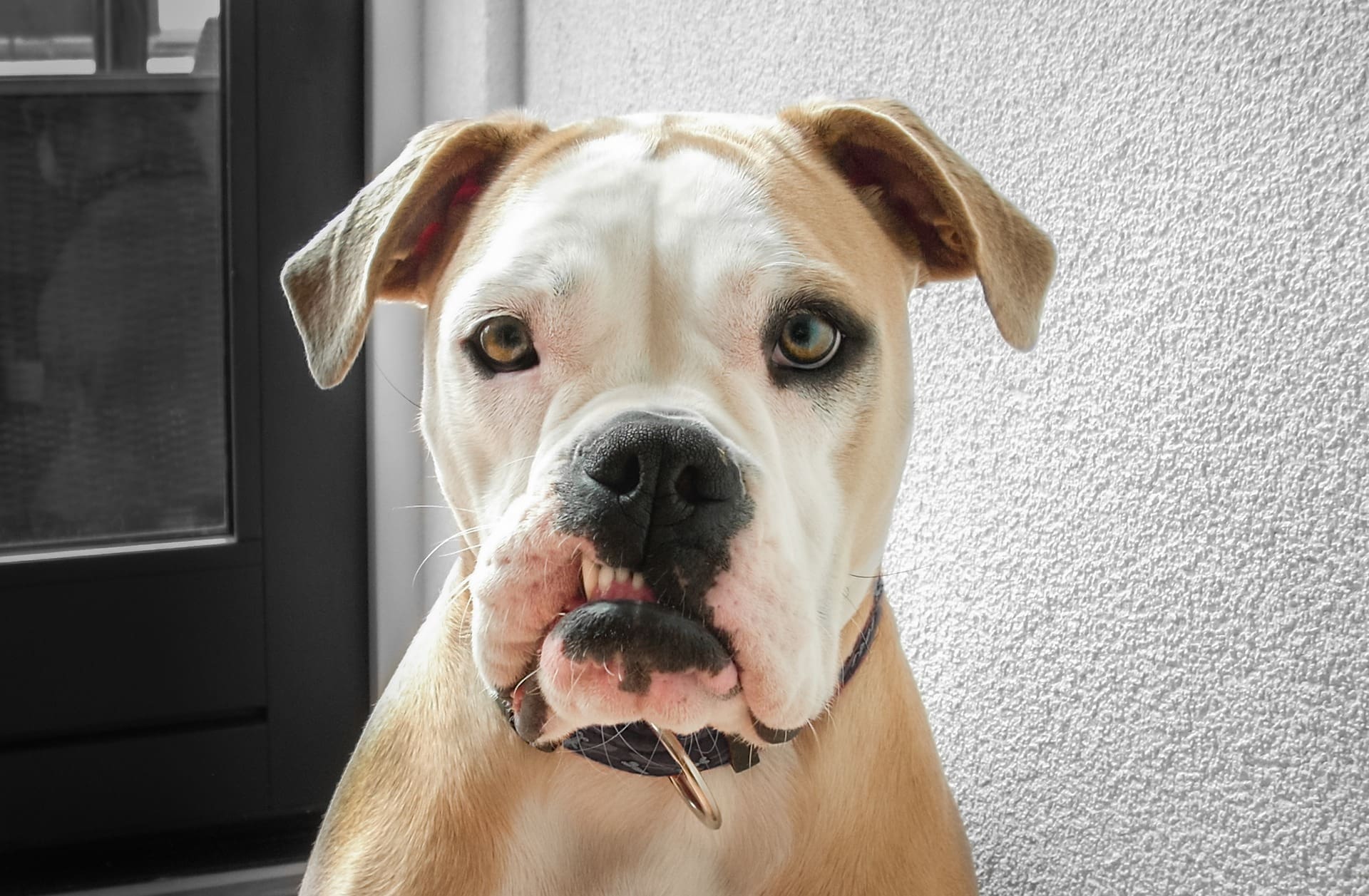
Occlusion is defined as the relationship between the teeth of the maxilla (upper jaw) and mandibles (lower jaw). When this relationship is abnormal a malocclusion results and is also called an abnormal bite or an overbite in dogs and cats. The mouth is split into...

After graduating from The Ohio State University’s College of Veterinary Medicine in 1992, I spent the first 12 years of my career practicing in suburban Maryland outside of Washington, DC. In 2004 my wife and I decided that we wanted to continue to raise...

Over the past number of years, you may have heard about groomers, pet shops and even some veterinary providers offering a procedure referred to as Anesthesia Free Dentistry (AFD) or No Anesthesia Dentistry (NAD). These procedures involve the scaling of a dog or cat’s teeth...
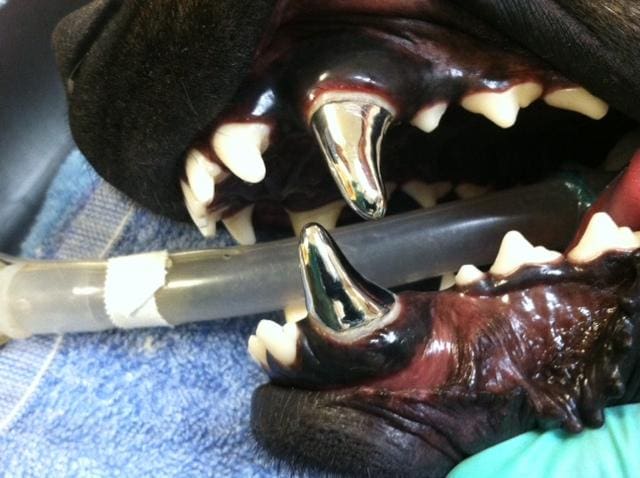
Dogs frequently fracture teeth. Studies have shown that up to 10% of dogs have some type of fractured tooth. All fractured teeth should be evaluated by a veterinarian and be imaged with a dental radiograph. If the fracture does not expose the tooth’s pulp...
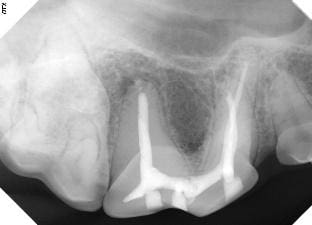
Many dogs and cats suffer from fractured teeth. These painful dental injuries have many potential causes. Dogs are often given chew toys and bones that are far too hard for their teeth and result in fractures. Cats can fracture teeth from playing or...
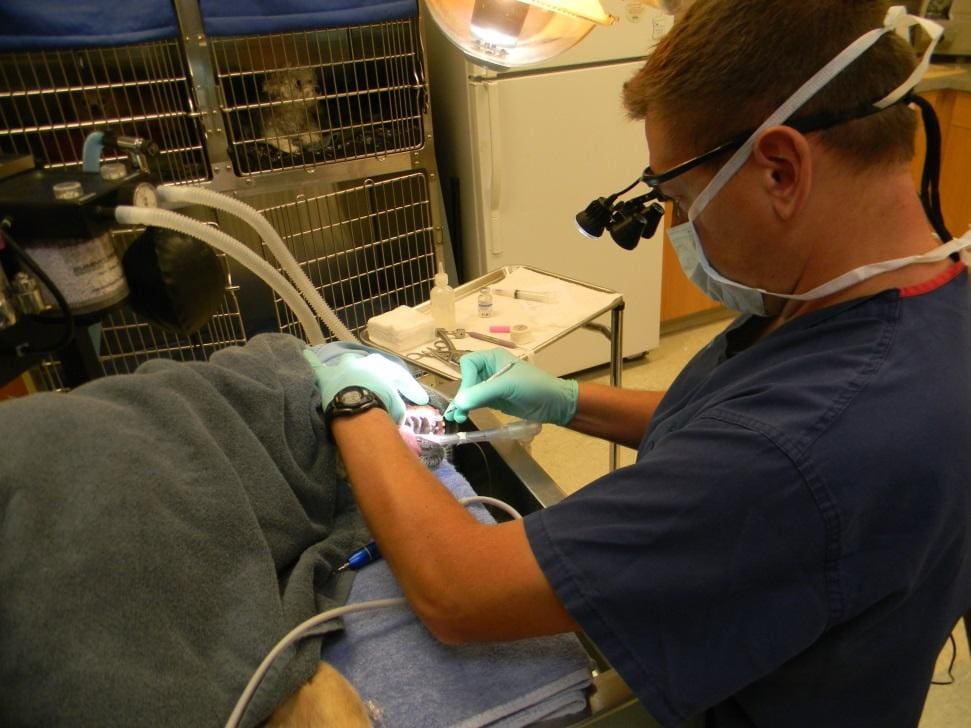
A Comprehensive Oral Health Assessment and Treatment (COHAT) is a thorough assessment of the oral cavity of your pet with the formulation of a treatment plan to address any disease that may be present. The following description will demonstrate that calling the procedure just a...

When it comes to pet gum care, consistent tooth brushing and annual oral exams are essential. We’ve also discussed the benefit of dental chews on the oral health of your canine companion. However, even with immaculate oral hygiene, your pet may still be at...