26 Jun What Is a Board-Certified Veterinary Anesthesiologist?
When your pet needs surgery or any procedure requiring sedation, anesthesia is a critical part of their care. But did you know there are veterinarians who specialize exclusively in anesthesia and pain management?
These experts are called board-certified veterinary anesthesiologists. They are highly trained professionals dedicated to making anesthesia safer and more effective for animals of all kinds. Whether it’s a routine dental cleaning or a complex surgery, their role is vital to ensuring your pet’s comfort and safety.
In this blog, I’ll explain what a veterinary anesthesiologist does, what it means to be board-certified, and how they work with your veterinarian to care for your pet.
What Does a Veterinary Anesthesiologist Do?
A veterinary anesthesiologist is a veterinarian who specializes in:
- Anesthesia for animals
- Pain management
- Sedation and calming techniques
- Resuscitation and emergency care during anesthesia
- Managing high-risk or complicated cases (e.g., pets with heart disease, kidney failure, or trauma)
They don’t just put animals “under”—they create individualized anesthetic plans, monitor vital signs during procedures, and help manage recovery to reduce pain and complications.
What Does “Board-Certified” Mean?
A board-certified veterinary anesthesiologist has gone beyond standard veterinary education to become an expert in their field. Here’s what it takes:
- Veterinary degree (DVM or equivalent) – 4 years of veterinary school, which was preceded by an undergraduate degree that met multiple course requirements to be eligible to apply to a veterinary college.
- Internship and/or clinical experience – 1–2 years.
- Residency in veterinary anesthesia – Typically 3 years of intensive, hands-on training,
- Published research – They must contribute original work to the discipline of veterinary anesthesia.
- Comprehensive examination – A rigorous multi-day exam administered by the American College of Veterinary Anesthesia and Analgesia (ACVAA).
Only after completing all these steps can a veterinarian call themselves a Diplomate of the ACVAA—that’s what “board-certified” means.
When Might Your Pet Need a Board-Certified Veterinary Anesthesiologist?
While general practice vets are trained to handle routine anesthesia, there are situations where a specialist is invaluable, such as:
- Complex surgeries (dental/oral, orthopedic, neurological, cardiac)
- High-risk patients (senior pets, pets with chronic illness, such as kidney or liver disease)
- Emergency procedures (trauma, cancer, GI foreign body)
- Advanced pain management (like epidurals, nerve blocks, or constant rate infusions)
- Exotic animal care (rabbits, reptiles, birds)
In many specialty or university hospitals, anesthesiologists oversee all sedation and anesthesia to ensure optimal safety and outcomes.
How Does a Board-Certified Veterinary Anesthesiologist Work with Your Vet?
A veterinary anesthesiologist doesn’t replace your regular veterinarian—they partner with them. Here’s how the process might look:
- Assessment: The anesthesiologist reviews your pet’s medical history and any pre-existing conditions.
- Custom Anesthetic Plan: They choose drugs and techniques tailored to your pet’s size, species, and health.
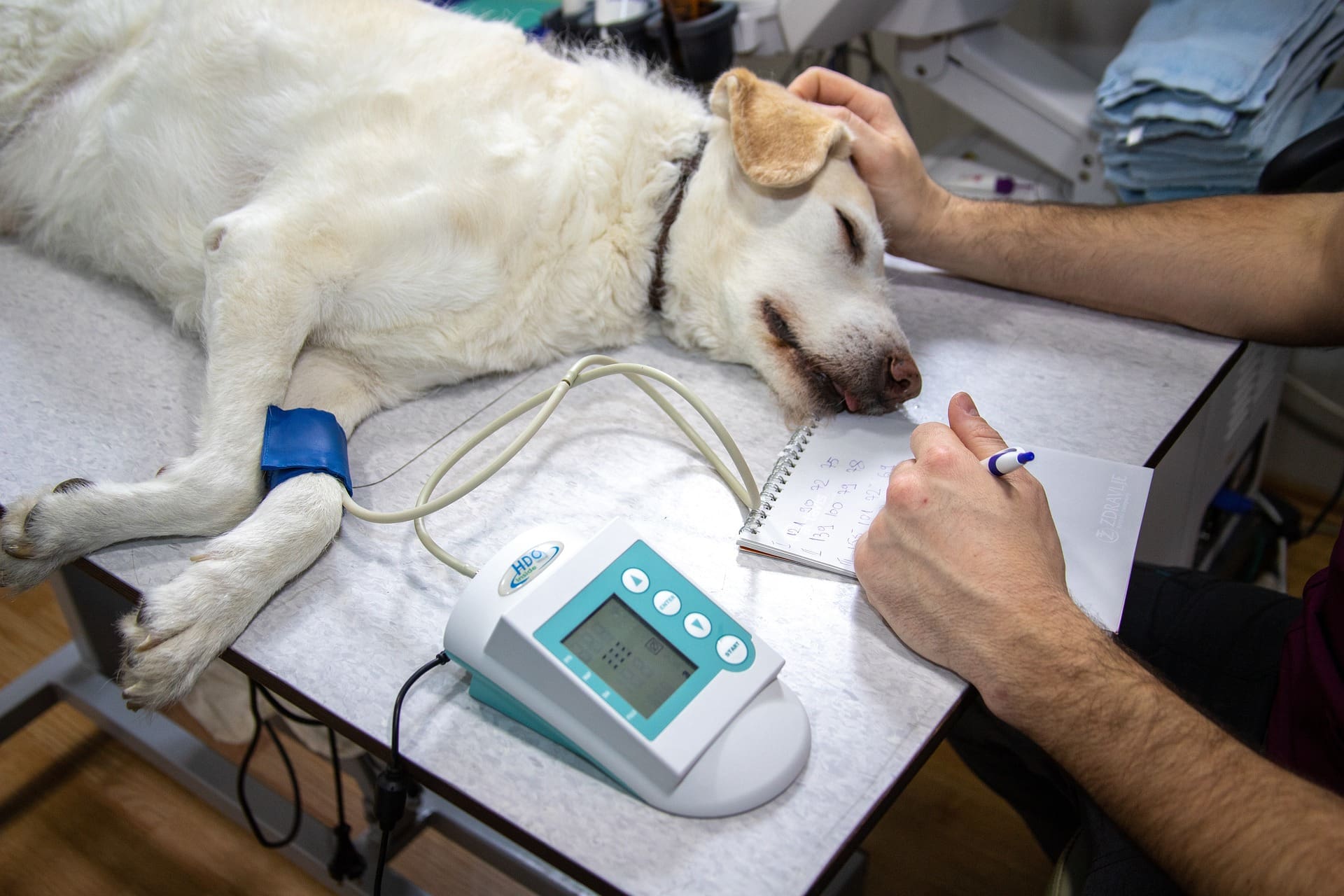
- Monitoring During Surgery: They track vital signs like heart rate, breathing, blood pressure, and oxygen levels in real time.
- Post-Op Care: They oversee recovery and manage pain to help your pet wake up smoothly and comfortably.
Their expertise can be the difference between a risky procedure and a safe, controlled experience.
Animal Dental Care and Oral Surgery in Colorado Springs is proud to have been one of the first veterinary facilities in the state of Colorado to engage a board-certified veterinary anesthesiologist who works with us via livestream monitoring. All of the above steps are completed, followed by the anesthesiologist connecting with livestream access to monitor our anesthetic monitors with an open phone connection with one of our certified veterinary technicians. It is a very collaborative process that engages the entire team at our clinic.
Why It Matters
Anesthesia always carries some risk, especially in older or medically fragile pets. A board-certified anesthesiologist brings:
- Advanced knowledge of drug interactions
- Precision in dosing and monitoring
- Skill in managing complications, especially in emergency situations
- State-of-the-art pain control options
In short, they make difficult procedures safer and less stressful for both pets and their people. The risk of anesthetic procedures is mitigated dramatically.
Final Thoughts
A board-certified veterinary anesthesiologist is a highly trained specialist who ensures that pets receive the safest, most effective anesthesia and pain management available. If your veterinarian recommends involving one—especially for a high-risk procedure—it’s a smart step toward giving your pet the best possible care. Contact us to learn how a board-certified veterinary anesthesiologist can support your pet’s next procedure with expert care and monitoring.
Images used under creative commons license – commercial use (06/26/2025) Image by Mirko Sajkov from Pixabay