
13 Aug Why Do Pet Dental Exams Matter So Much
1. Dental Disease Is Silent—Until It Isn’t
The majority of dogs and cats have some form of dental disease by the time they’re three years old. The early signs are subtle—mild gingivitis, plaque buildup, maybe a little bad breath. But dental disease doesn’t stay quiet forever.
If left unchecked, it can progress to painful gum infections, tooth loss, bone destruction, and systemic infection. Pets don’t show oral discomfort like humans do. They continue to eat and act normally—until the disease is advanced. Their survival instinct to eat is so strong they don’t give it up despite significant oral pain.
Professional pet dental exams help us detect these problems early, before your pet is visibly in pain or suffering.
2. We Examine Far Beyond What You Can See
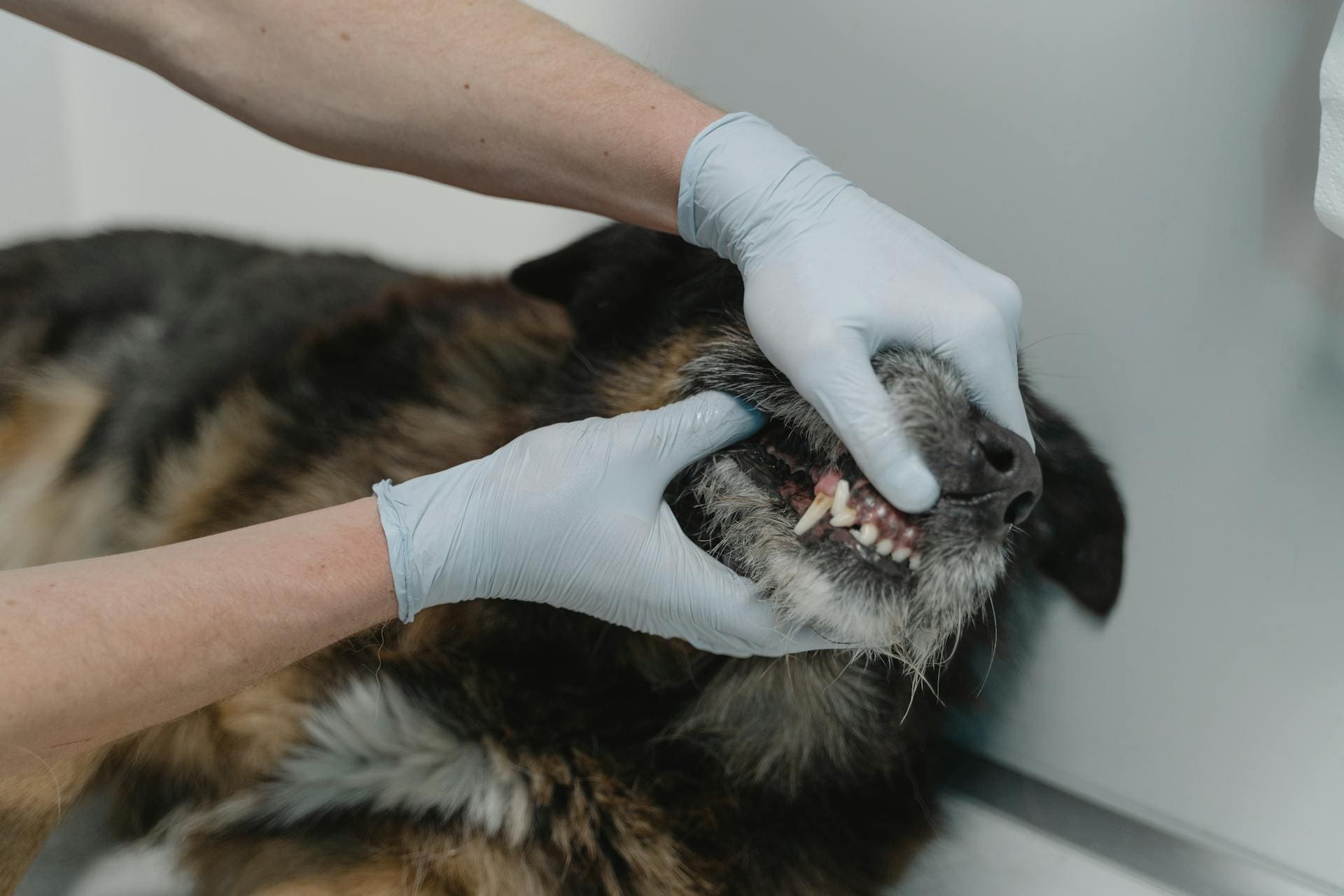
Many pet owners do their best to check their pet’s mouth at home and that’s great. But the reality is, it’s nearly impossible to assess the entire oral cavity without specialized training and equipment.
During a professional pet dental exam, we look for:
- Gum recession
- Tooth fractures
- Loose or missing teeth
- Tartar below the gumline
- Oral tumors or growths
- Signs of root exposure or infection
And when needed, we follow up with full-mouth dental radiographs (X-rays) or cone beam computed tomography (CBCT) scanning because most dental disease lies below the gum surface, where it can’t be seen without imaging.
Obviously, a complete vet dental exam requires that your pet be placed safely under anesthesia. I can safely estimated that well over half of the oral pathology (disease) that I diagnose in my patients is with them under anesthesia.
3. Pet Dental Exams Are More Than Just Looking at Teeth
A professional vet dental exam is a medical assessment. We evaluate the condition of the gums, teeth, tongue, and other soft tissues, looking for signs of infection, inflammation, or even cancer. These oral exams are just as vital as listening to your pet’s heart or checking their joints.
This exam also allows us to create a personalized dental care plan, which may include recommendations for brushing, specific dental diets, safe chew options, and a complete dental cleaning under anesthesia.
4. A Professional Exam Can Save Your Pet’s Life
It’s not an exaggeration to say that a dental exam can be lifesaving. I’ve diagnosed oral cancers during routine dental checks—tumors that would have gone unnoticed until they became untreatable. I’ve discovered severe infections that, left untreated, could have led to kidney, liver or heart complications. There is a definite negative association of periodontal disease causing harmful tissue changes in the heart, liver and kidneys of dogs and cats.
These findings aren’t rare—they happen more often than many pet owners realize. Regular dental exams give us the opportunity to intervene early and protect your pet’s health.
5. Prevention Is Better (and Cheaper) Than Treatment
When we catch dental disease early, treatment is usually simple and minimally invasive—maybe a dental cleaning and polishing, or treatment of mild gingivitis. But when dental disease is ignored, it leads to extractions, oral surgery, and in some cases, chronic health issues that affect quality of life.
Professional dental exams help you stay ahead of the curve, preventing both pain for your pet and costly procedures for you.
6. They’re Part of a Whole-Body Approach to Wellness
I practice medicine with a whole-body philosophy. The mouth is not separate from the rest of your pet—it’s the entry point to every other system. Bacteria from infected gums and teeth can travel to the heart, kidneys, and liver. Chronic inflammation in the mouth can strain the immune system. It’s not just bacteria from the mouth that causes these bad systemic changes, but also the numerous inflammatory products released by the immune system that can damage other organs. Dental health is deeply connected to overall health.
A professional vet dental exam ensures that we’re treating your pet as a whole patient, not just a set of symptoms.
Final Thoughts: Dental Exams Are Preventive Medicine
If I could offer one piece of advice to every pet owner, it would be this: Don’t wait for obvious signs of dental trouble. By the time pets are drooling, pawing at their mouths, or refusing food, the problem is advanced.
Instead, prioritize regular professional dental exams—ideally once a year—as part of your pet’s preventive care routine. These exams allow us to catch problems early, maintain comfort, and help your pet live a longer, healthier life.
As a board-certified veterinary dentist, I consider dental exams just as vital as vaccinations or heartworm prevention. Your pet deserves a life free from silent pain—and that starts with a healthy mouth.
Images used under creative commons license – commercial use (08/13/2025) Photo by Tima Miroshnichenko on Pexels