

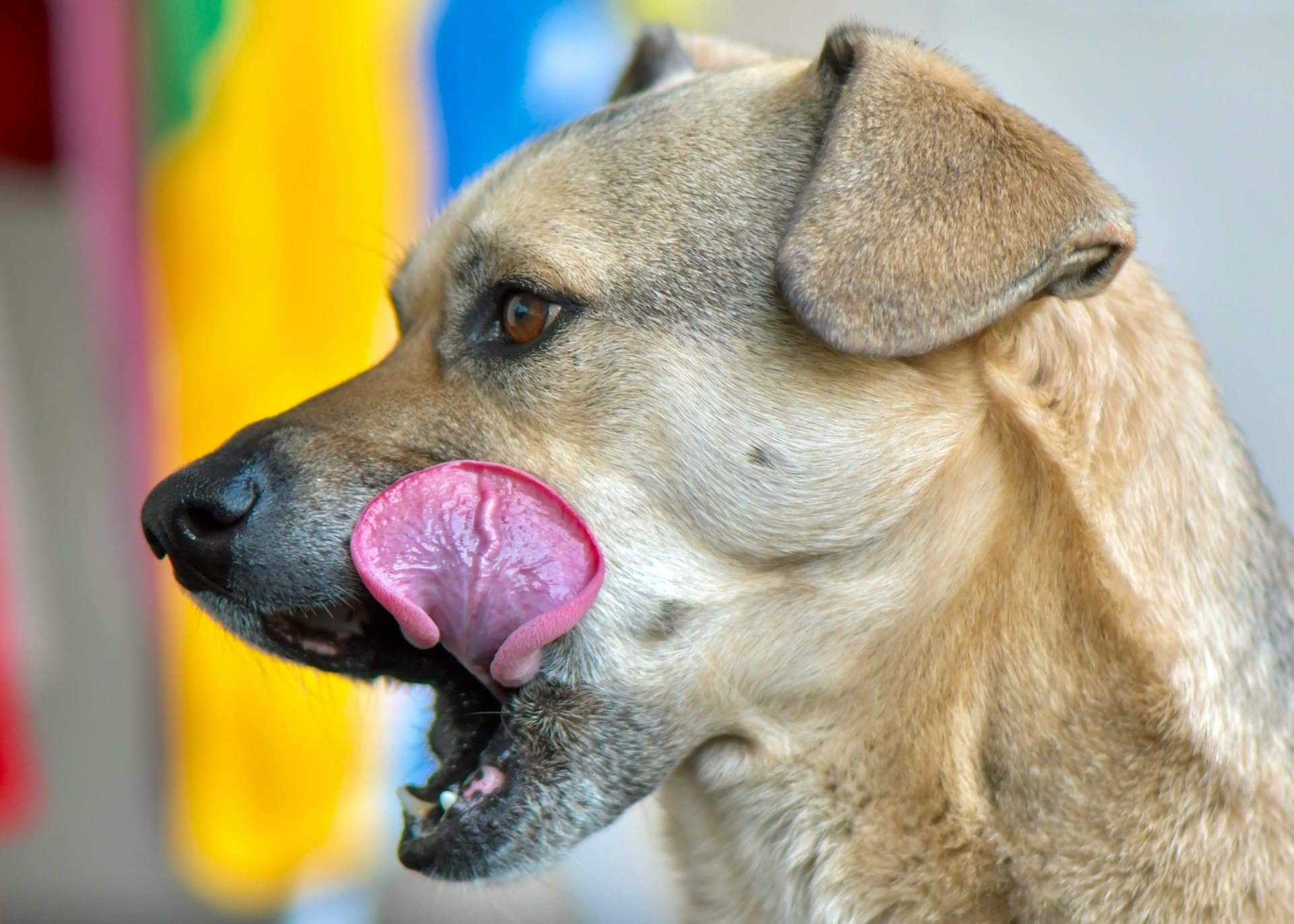
31 Oct Oral Cancer in Dogs: Early Signs, Diagnosis, and Treatment Options
Oral cancer in dogs is a serious but often overlooked condition that can affect a dog’s quality of life and overall health. Like humans, dogs are susceptible to various types of cancer, and the mouth is a common site where malignant tumors can develop. Recognizing the early signs, understanding the diagnosis process, and knowing the treatment options available can significantly improve the prognosis and outcomes for your canine companion.
What is Oral Cancer in Dogs?
Oral cancer in dogs refers to the presence of tumors within the mouth, including the gums, tongue, lips, roof of the mouth, or jaw. These tumors can be benign and easily cured with surgical treatment, or malignant, meaning that they are likely to spread and cause additional issues.
The most common types of malignant oral cancer in dogs include:
- Melanoma: The most common malignant oral tumor in dogs.
- Squamous Cell Carcinoma (SCC): Typically aggressive, often affecting the gums and sometimes the tonsils.
- Fibrosarcoma: A connective tissue tumor that can be locally invasive.
- Osteosarcoma: A bone tumor that can occur in either the mandible or maxilla.
Early Signs of Oral Cancer in Dogs
Early detection is crucial. Unfortunately, many pet owners may not notice symptoms of oral cancer in dogs until the disease has progressed. This is why regular dental checks and being vigilant about changes in your dog’s behavior and appearance are so important.
Here are some early warning signs to watch for:
- Bad breath (halitosis) that persists even after cleaning
- Drooling excessively, sometimes with blood
- Difficulty chewing or eating (especially if your dog suddenly prefers soft food)
- Pawing at the mouth or signs of oral discomfort
- Visible mass or swelling in the mouth or jaw
- Loose teeth or teeth that fall out without trauma
- Weight loss due to difficulty eating
- Bleeding from the mouth
- Facial asymmetry or swelling on one side of the face
If you notice any of these signs, consult your veterinarian immediately. Even if the symptoms are mild, early examination can lead to a more favorable outcome.
Diagnosis of Oral Cancer in Dogs
Diagnosing oral cancer in dogs typically involves several steps:
- Physical Examination
Your vet will perform a thorough oral examination, often under sedation, to inspect all areas of the mouth and palpate for tumors or abnormalities.
- Imaging
Dental X-rays or CT scans may be used to determine the extent of the tumor, whether it has invaded the bone, and if it has spread to other parts of the body.
- Biopsy
A biopsy is the most definitive way to diagnose oral cancer. A tissue sample of the suspected tumor is taken and analyzed under a microscope to identify the cancer type and grade.
- Blood Work and Staging
Routine blood work and possibly a chest x-ray or ultrasound are done to assess your dog’s overall health and to check for metastasis (spread of cancer).
Treatment Options for Oral Cancer in Dogs
Treatment for oral cancer in dogs depends on several factors, including the type and location of the tumor, whether it has spread, and the dog’s overall health.
- Surgery
Surgical removal is the most common and often most effective treatment for oral tumors. In some cases, partial removal of the jaw (mandibulectomy or maxillectomy) may be necessary. While this can seem extreme, dogs adapt well and enjoy a good quality of life post-surgery.
- Radiation Therapy
Radiation can be used as a primary treatment or in conjunction with surgery, particularly if the tumor cannot be completely removed. It is also used to relieve pain and shrink tumors that are not operable.
- Chemotherapy
Chemotherapy may be used in certain cases, especially if the cancer has metastasized. However, it is generally less effective for some types of oral cancer, like melanoma, compared to radiation or surgery.
- Immunotherapy
Newer treatments such as the melanoma vaccine (Oncept®) have shown promise in treating oral melanomas in dogs, helping to stimulate the immune system to fight the cancer.
- Palliative Care
For advanced cases where curative treatment isn’t possible, palliative care (pain management, soft foods, anti-inflammatories) can improve your dog’s comfort and quality of life.
Prognosis
The prognosis for dogs with oral cancer varies greatly depending on the type and stage of the cancer. For example:
- Melanoma tends to be aggressive and may have a poorer prognosis if not caught early.
- Squamous cell carcinoma, if localized and surgically removed, can offer a good outcome.
- Fibrosarcomas are tough to remove completely due to their invasive nature.
Early detection, prompt treatment, and regular veterinary checkups are essential to improving outcomes.
Prevention and Monitoring
While you can’t always prevent oral cancer in dogs, you can take steps to improve early detection and reduce risk:
- Regular dental exams and cleanings by your veterinarian
- At-home oral hygiene, such as brushing your dog’s teeth
- Routine health checkups
- Monitor your dog’s eating habits, breath, and mouth for changes
- Report any unusual symptoms to your vet promptly
Oral Cancer Monitoring in Colorado Springs
Oral cancer in dogs can be a frightening diagnosis, but with early detection and a comprehensive treatment plan, many dogs can continue to live happy, fulfilling lives. Being aware of the early signs and maintaining regular vet visits are your best tools for catching this disease before it progresses.
If you’re concerned about your dog’s oral health, don’t wait—schedule a veterinary checkup today.
Images used under creative commons license – commercial use (10/30/2025) Photo by Juan Pablo Mascanfroni on Unsplash