
15 May How to Tell if Your Dog Has Mouth Trauma: Signs and Symptoms to Watch For
As a dog owner, you always want to ensure your precious pet is happy and healthy. While external injuries are easy to spot, mouth trauma is often overlooked because dogs instinctively hide their pain. Whether from chewing on something too hard, an accidental fall, or rough play, oral injuries can be painful and may lead to serious health complications if left untreated.
Understanding the causes, signs, and treatment options for mouth trauma can help you take quick action to keep your pup comfortable and safe.
Common Causes of Mouth Trauma in Dogs
Mouth trauma in dogs can occur for various reasons, including:
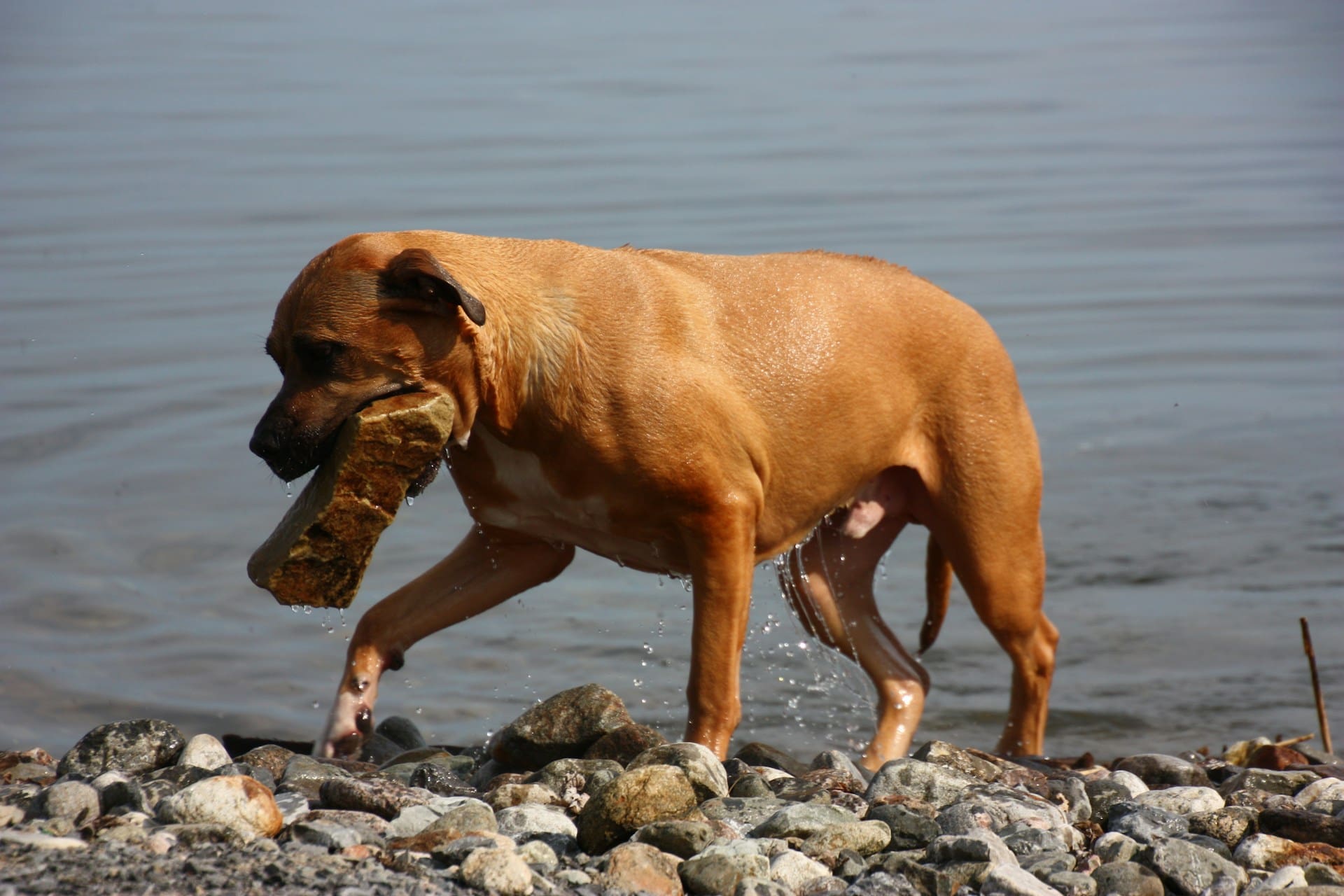
- Chewing on Hard Objects – Dogs love to chew, but some objects, like bones, antlers, or rocks, can cause fractured teeth or gum injuries. Your veterinarian can give you guidance on what chew toys are acceptable for your dog to chew on.
- Accidents or Falls – Running into furniture, falling from heights, or getting hit by an object can result in oral injuries.
- Rough Play or Fights – If dogs play too aggressively or get into fights, bites or scratches can lead to oral wounds.
- Foreign Objects – Splinters, sticks, or sharp items can get stuck in your dog’s mouth, puncturing soft tissues.
- Dental Disease – Periodontal disease can weaken the gums, making them more prone to bleeding or injury. As periodontal disease progresses the bone surrounding teeth also starts to break down and become exposed to the oral cavity. Teeth can even become displaced and puncture surrounding soft tissues. This is surely painful.
Signs Your Dog May Have Mouth Trauma
Dogs are good at hiding pain, but there are telltale signs that can indicate mouth trauma:
Physical Symptoms:
- Excessive Drooling – If your dog suddenly starts drooling more than usual, it could be due to pain or an oral injury.
- Bleeding from the Mouth – Blood on their toys, bedding, or in their saliva can indicate cuts, a broken tooth, or gum damage.
- Swollen Face or Mouth – Swelling around the muzzle, jaw, or lips can be a sign of an injury, infection, or abscess.
- Bad Breath (Halitosis) – Persistent foul breath might indicate infection or decaying tissue from trauma.
- Difficulty Eating or Chewing – If your dog suddenly avoids eating or chews on one side of their mouth, they may be in pain. Sometimes dogs will pick up food gently, carry it away from their food bowl and eat slowly in another location.
Behavioral Symptoms:
- Pawing at the Mouth – Dogs often try to relieve discomfort by rubbing or pawing at their mouth.
- Whining or Whimpering – Unusual vocalizations when eating, drinking, or yawning can be a sign of pain.
- Avoiding Touch – If your dog pulls away or reacts aggressively when you try to inspect their mouth, they may be experiencing discomfort.
- Loss of Appetite – A sudden disinterest in food or refusal to eat hard kibble can signal mouth pain.
What to Do If You Suspect Mouth Trauma
If you notice any of these signs, it’s important to take action:
- Visit Your Veterinarian – They can perform an oral examination and may advise a complete evaluation with dental radiographs under anesthesia. If you cannot immediately schedule this visit, the following steps may be helpful.
- Check Their Mouth (If They Allow It) – Gently lift their lips and inspect their gums, teeth, and tongue for cuts, swelling, or bleeding. Avoid forcing their mouth open if they resist, as this could worsen the injury.
- Look for Foreign Objects – If you see a stick, bone fragment, or another object lodged in their mouth, do not attempt to remove it unless it’s easily accessible. Otherwise, let a veterinarian handle it to avoid further injury.
- Offer Soft Food – If your dog is struggling to eat, try offering wet food or softened kibble until they can be examined by a vet.
- Monitor for Signs of Infection – Watch for pus, excessive swelling, worsening bad breath, or fever, which could indicate an infection requiring medical attention.
How to Prevent from Happening to Your Dog
While accidents can happen, you can take steps to minimize the risk of mouth trauma:
- Choose Safe Chew Toys – Opt for rubber chew toys instead of hard bones or antlers. Even nylon toys can be too hard for their teeth.
- Monitor Playtime – Supervise your dog during rough play to prevent accidental injuries.
- Avoid Giving Cooked Bones – Cooked bones splinter easily and can cause serious oral and digestive injuries.
- Schedule Regular Dental Checkups – Routine vet visits and dental cleanings help catch early signs of dental disease or mouth injuries.
Final Thoughts
Mouth trauma in dogs can be painful and potentially dangerous if not addressed promptly. By staying vigilant and knowing the warning signs, you can ensure your furry friend gets the care they need. If you ever suspect your dog has an oral injury, don’t hesitate to contact us or consult your veterinarian for the best course of action.
Images used under creative commons license – commercial use (05/15/2025) Photo by Anthony Aird on Unsplash