29 May How to Give Your Pet Oral Medications After Oral Surgery
Oral surgery can be a challenging time for both pets and their owners. Whether your furry friend had a dental extraction, treatment for periodontal disease, oral tumor removal, or another procedure, a crucial part of their recovery involves administering oral medications for pets. Knowing how to give pets medication after oral surgery is key to supporting their healing. However, many pet owners ask, “What is the best way to get pets to take their medications, especially after oral surgery when their mouths may be sore?” In this post, we’ll guide you through effective and compassionate strategies to ensure your pet gets the care they need.
Why Are Oral Medications Important After Oral Surgery?
Post-surgical care typically includes oral medications such as anti-inflammatory medication to prevent swelling and pain relievers to manage discomfort. Skipping or incorrectly administering these medications can delay healing and increase the risk of complications. That’s why it’s essential to understand how to safely and effectively give your pet their pills—even if they’re not too thrilled about it.
What Is the Best Way to Get Pets to Take Their Medications?
Every pet is unique, and what works for one may not work for another. However, here are some tried-and-true techniques:
1. Use Pill Pockets or Soft Food
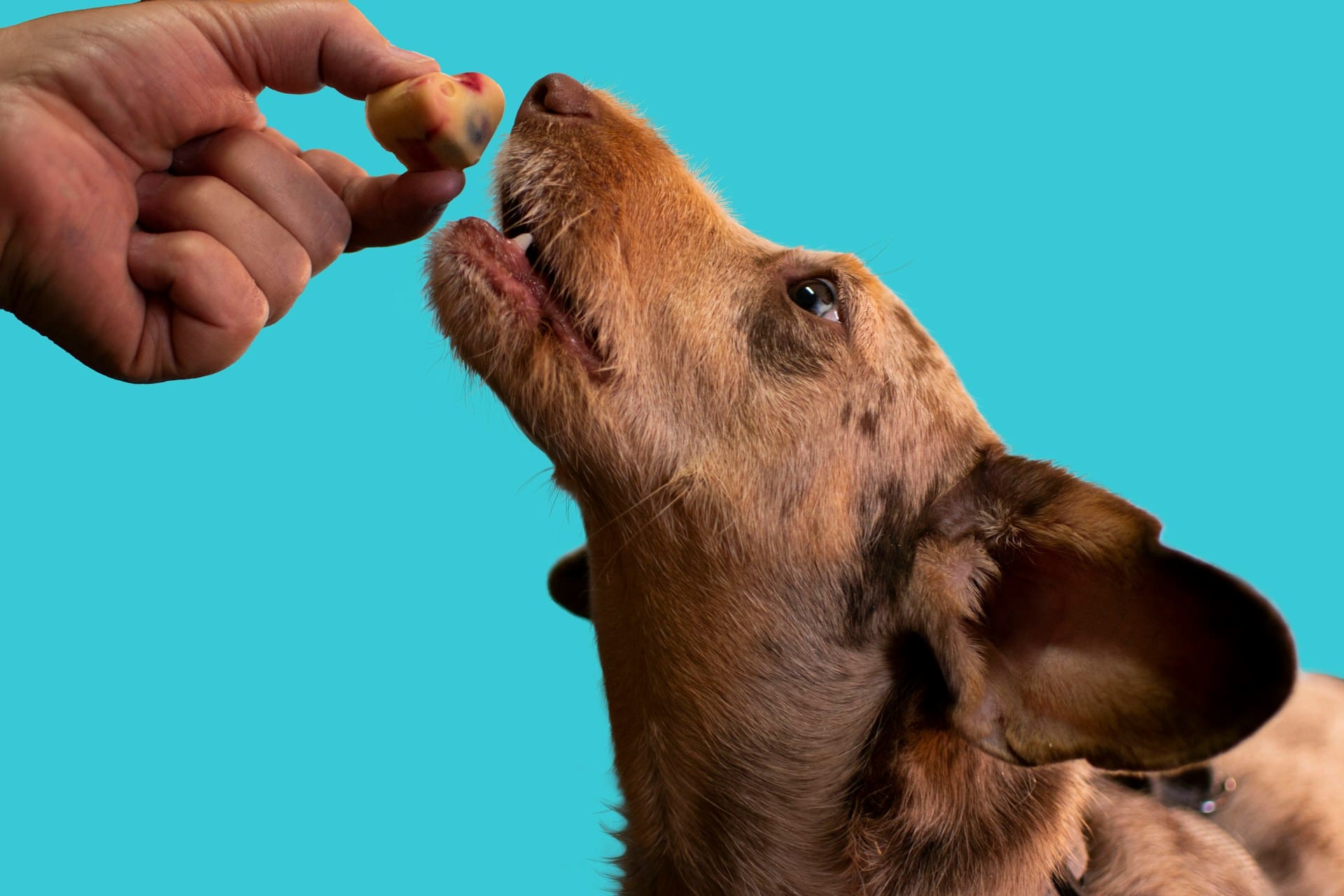
If your veterinarian approves, you can hide the medication in a soft treat or specially designed pill pocket. After oral surgery, make sure the food is soft enough to avoid irritating the surgical site.
2. Crush or Split Pills (Only If Approved)
Some pills can be crushed and mixed with soft food like canned dog or cat food, peanut butter (xylitol-free), or pumpkin puree. Always ask your vet first—some medications lose their effectiveness or become unsafe when altered.
3. Syringe Administration for Liquids
Liquid oral medications for pets can often be gently squirted into the cheek pouch using a dosing syringe. Tilt your pet’s head slightly and administer slowly to prevent choking or discomfort.
4. Create a Calm Environment
Your pet will be more cooperative in a quiet, stress-free space. Speak softly and use gentle handling to avoid causing pain or fear, especially when their mouth is healing.
What If My Pet Won’t Take Their Oral Medications After Oral Surgery?
It’s a common concern: “What if my pet won’t take their oral medications after oral surgery?” If you’re struggling, don’t worry, here are some helpful steps:
1. Call Your Vet
If your pet refuses their medication or shows signs of pain, your vet may suggest an alternative form, like an injectable version or a different flavor of the same drug.
2. Try a Compounded Medication
Compounding pharmacies can create flavored liquids or chewables tailored to your pet’s preferences, which can make administering meds significantly easier.
3. Use a Medication Schedule
Creating a consistent routine can help your pet get used to taking medication. Pair it with a reward like gentle petting or a favorite activity (as long as it’s vet-approved post-surgery).
4. Seek Professional Help
If all else fails, some veterinary clinics offer medication administration services or can demonstrate proper techniques in person.
Final Thoughts
Giving oral medications to pets after oral surgery can feel daunting, but learning how to give pets medication after oral surgery, along with a little patience, creativity, and guidance from your vet, can make the process manageable. Remember, the key is to be gentle, consistent, and responsive to your pet’s needs. Their comfort and recovery are worth the extra effort.
If you’re still wondering, “What is the best way to get pets to take their medications?”—don’t hesitate to reach out to your veterinary team. They’ve seen it all and can offer personalized advice to make the process smoother for both you and your four-legged best friend.
Want more pet care tips? Follow our blog or follow us on social media for regular updates!
Images used under creative commons license – commercial use (05/29/2025) Photo by Gabriella Louw on Unsplash