
11 Feb Dental Disease in Pets: Why It’s More Than Just Bad Breath
If you’ve noticed that your pet’s breath has gotten bad, it’s time to get their mouth and teeth checked out. Many pet owners assume bad breath is just something that happens over time, but it can be one of the first signs of dental disease in dogs and cats, including periodontal disease. This is often the earliest sign pet owners notice.
If your pet does have periodontal disease, there is inflammation and infection present, and that infection does not stay confined to the mouth. If left untreated, bacteria causing periodontal disease can travel from the mouth to other parts of the body, including the heart, liver, and kidneys. In fact, the more advanced the periodontal disease becomes, the greater the negative changes that can occur in these organs.
What is Periodontal Disease?
Periodontal disease begins when plaque bacteria in a protective, sticky film build up on the teeth. This is called a biofilm. When plaque is left in place and mixes with saliva, it eventually mineralizes and hardens to create calculus, also known as tartar. When plaque and tartar get below the gumline, this leads to infection and inflammation of the gums. When there is only inflammation of the gums, known as gingivitis, this is the reversible early stage of periodontal disease.
When there is breakdown of the tissue surrounding the teeth, including the bone, this is periodontitis, the irreversible later stages of periodontal disease. The only way to possibly reverse these negative changes is through professional treatment by a veterinarian with your pet under anesthesia. However, sometimes it is too late and these treatments are not an option. In those situations, your veterinarian can only offer extraction of the involved tooth or teeth.
If your pet has periodontal disease, you may notice:
- Bad breath
- Red, swollen, or bleeding gums
- Yellow or brown buildup on teeth
Even though your pet may not be showing any noticeable signs of pain, the inflammation, infection and breakdown of tissues in periodontal disease is painful. A lot of times, when pet owners start to notice signs like pawing at the face, dropping food, or loose teeth, periodontal disease has progressed to more advanced stages. And unfortunately, plaque bacteria don’t stop there.
How Dental Disease Affects the Whole Body
The mouth is full of blood vessels, giving bacteria in infected gums a ride to other parts of the body. This includes organs such as the heart, liver and kidneys. Bacteria that get to the heart can attach to the valves and cause inflammation, known as infective endocarditis. This is a life-threatening condition. Bacteria from the mouth have also been found in the liver and kidneys of our pets, which can potentially lead to kidney damage and chronic kidney disease, as well as liver dysfunction.
It is also critical to note that dental disease hurts! The problem is that our veterinary patients most often do not show outward signs of pain. You would think they would stop eating or eat less or demonstrate signs of reluctance to chew food normally, but the survival instinct to keep eating is so strong that a pet will not give up the drive to eat.
What We Can Do to Prevent Dental Disease in Dogs and Cats
The good news is that periodontal disease is preventable and treatable. Routine dental cleanings under anesthesia can remove plaque and tartar, help reverse gingivitis, and identify when periodontal disease has caused destruction of the surrounding tissues that necessitate other treatments, such as extractions. Routine dental cleanings may mean every 12 months, but sometimes dental cleanings as frequently as every 6 or 9 months is needed to maintain a healthy mouth and body in our pets. This is especially true for pets that will not allow their owners to brush their teeth daily. This is something one of our doctors at Animal Dental Care and Oral Surgery in Colorado Springs is able to discuss with you, to come up with an ideal treatment plan and routine for your pet.
And it’s not just dental cleanings under anesthesia. Daily, at-home care can make a huge difference in your pet’s health. Tooth brushing, just like for owners, is the best at-home treatment for our pets, but for pets that don’t tolerate brushing, there are alternatives such as dental diets, water additives and dental chews.
A Healthier Mouth, A Healthier Pet
Dental care is important for our pets’ oral health, but also for their overall health. Dental disease in dogs and cats can affect far more than just the mouth. Getting rid of bad breath is definitely a positive, but the real win is protecting the heart, liver, and kidneys while improving your pet’s quality of life.
If your pet has bad breath, red inflamed gums or yellow/brown buildup on their teeth, it’s time to get your pet seen. Any of our board-certified veterinary dentists at Animal Dental Care and Oral Surgery in Colorado Springs are happy to discuss your pet’s oral health with you and can help protect their oral and overall health.
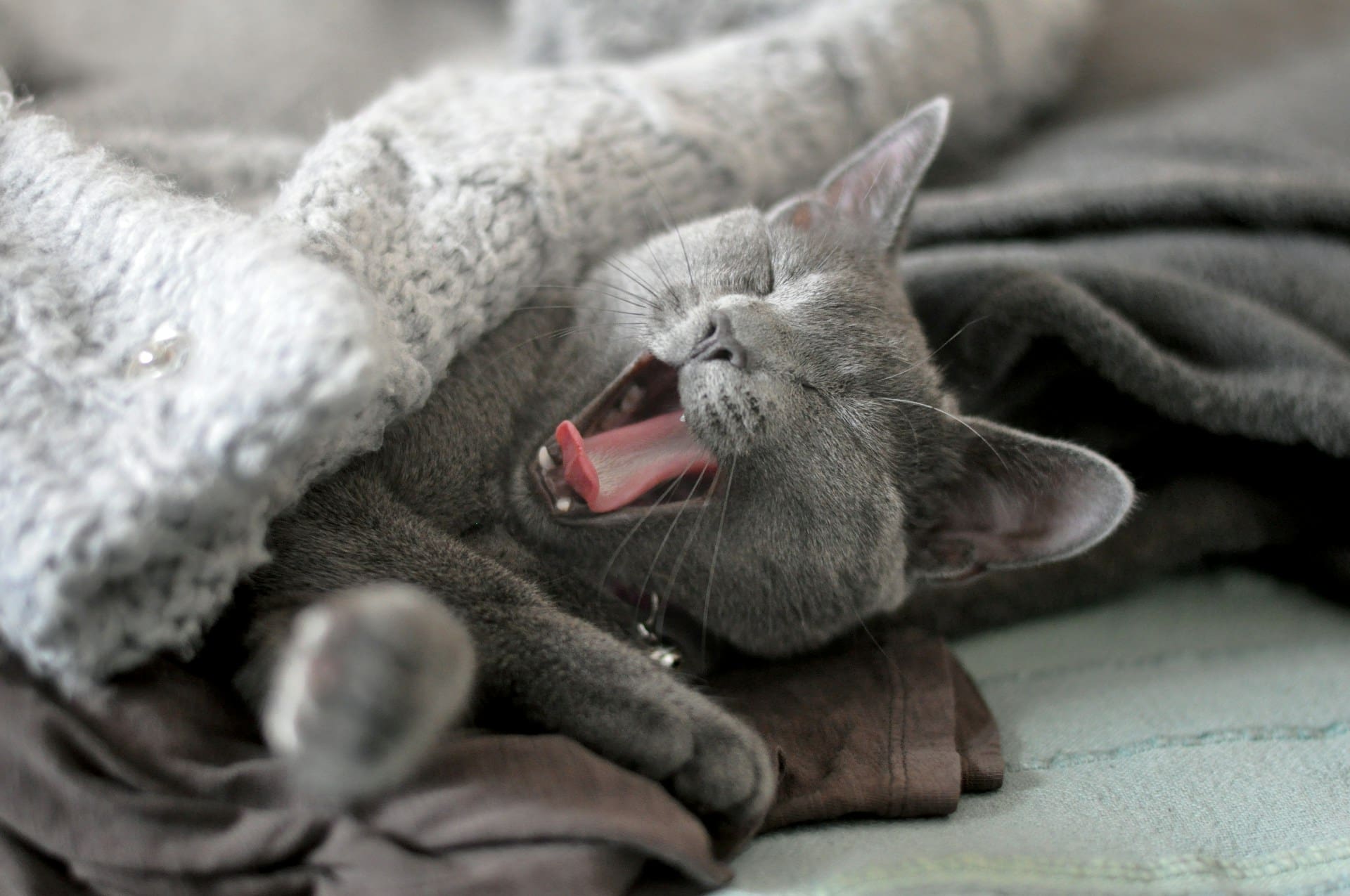
Photo by Jelena Senicic on Unsplash used with permission under the Creative Commons license for commercial use 02/12/2026