27 Apr At Home Dental Care Tips: Do Dental Wipes Help Dogs & Cats?
We all want to give our pets the best care we possibly can, and that can mean so many things. The best food, the best toys, the best dental diet. The problem is, there are many gimmicks out there. How do you decide what is actually going to help your pet?
As a veterinary dental hospital in Colorado Springs, we advocate that nothing can replace a good, twice-a-day tooth brushing when it comes to at-home oral care for our four-legged companions. But what if our pet just will not allow you to brush their teeth? The following discussion will consider dental wipes as a viable alternative to brushing.
Why Do I Need to Brush My Pet’s Teeth?
Dogs and cats begin forming a bacterial film over their teeth within a few hours after a professional dental cleaning is performed. And what do bacteria do when they get together? They multiply!
You know that feeling you get on your own teeth when you wake up in the morning? Well, we eat breakfast and then brush it away. When dogs and cats chew kibble, it only partially scrapes this film away. Over time, the bacteria multiply, causing thick, brown debris called plaque to form, which picks up food particles, calcium, and phosphorus. These substances then combine to form a hard covering called calculus and cannot be brushed away.
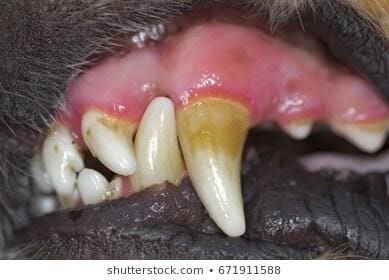
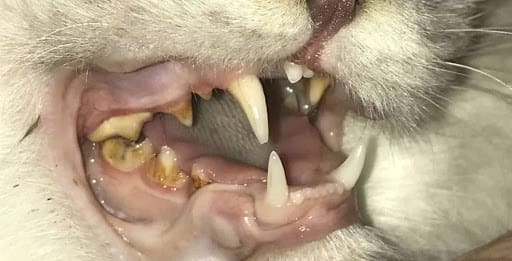
Plaque: dark brown substance on an upper canine tooth Calculus: tan substance on a feline patient upper and lower last premolar
Do Dental Wipes Work for Dogs and Cats?
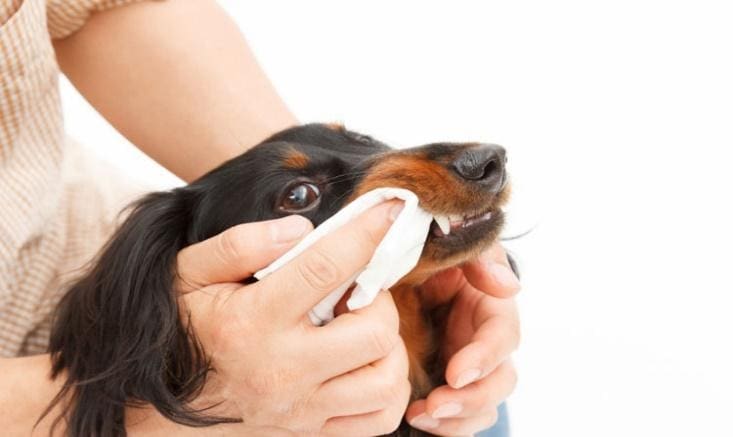
Dental wipes are not new to the market. But are they a viable option for pets that simply will not tolerate brushing? Dental wipes do remove some of the biofilm that adheres to your pet’s teeth. Dogs and cats have more grooves and crevices than our human teeth. Dental wipes can be used to help remove what’s on the surface of the tooth. However, they are not as effective as a toothbrush in cleaning out those smaller spaces, particularly the gingival sulcus where the gum meets the tooth.
Vet Recommended Dental Wipes
DentAcetic® dental wipes contain a substance called sodium hexametaphosphate (SHMP). SHMP aids in breaking down calcium, one of the minerals that form calculus. It then mixes with the pet’s saliva to help wash away some of the biofilm.
MaxiGuard® dental wipes contain a neutralized zinc gluconate formulation that assists in decreasing the bacteria that form on the tooth surface.
Several other pet dental wipes have chlorhexidine gluconate, which, like zinc gluconate, decreases the bacterial burden in the mouth. Following the manufacturer’s instructions by using the dental wipes twice daily may delay the progression of periodontal disease. It does not, however, remove the need for annual dental cleanings by your veterinarian.
Contact a Veterinary Dentist in Colorado Springs, CO
In addition to at-home dental care, dogs and cats also need routine dental cleanings from a vet dentist to stay happy and healthy. If you have any questions about dental wipes or if it’s time to schedule your pet’s dental cleaning, don’t hesitate to contact Animal Dental Care and Oral Surgery to schedule an appointment.