

29 Dec What to Expect from Your Pet’s Dental Anesthetic Procedure at Our Colorado Springs Clinic
If you are preparing for your pet’s upcoming dental cleaning or oral surgery, you may be wondering what pet dental procedures look like, especially when anesthesia is involved. At Animal Dental Care and Oral Surgery, we understand that putting your dog or cat under anesthesia can feel stressful. Our team focuses on communication, safety, and comfort from start to finish. Here is a clear and reassuring overview of what to expect during a pet dental anesthetic procedure at our Colorado Springs location.
Thorough Pre-Procedure Evaluation
Before any dental anesthesia is performed, our veterinary team completes a full physical exam and reviews your pet’s medical history. During this exam, we will look in your pet’s mouth and discuss any treatments we might predict will be necessary during the anesthetic procedure with you. We will also discuss any other health conditions that your pet has that may present anesthetic challenges.
This will help us to create an ideal anesthetic plan for your pet’s procedure. At this point, we will also discuss whether we think it may be pertinent to involve one of our board-certified anesthesiologists in your animal’s case. And if you want more information, check out Veterinary Partner with articles on statistical anesthetic risk and how anesthesia works in animals.
“Safe” and Monitored Anesthesia
No anesthesia is risk-free, which is why I placed “safe” in quotation marks. Even in humans, risks of adverse events are always present. We work very hard to minimize these risks as much as we possibly can. This includes the use of presurgical testing- at a minimum, up-to-date presurgical labwork is required. In certain cases, additional testing may be recommended, including advanced imaging or workups with other specialists.
Advanced monitoring equipment, similar to that which is used in human hospitals, and very highly trained staff help us to minimize risk. Our staff and doctors have all undergone additional training in anesthesia, and we work with a number of board-certified veterinary anesthesiologists.
Our clinic uses balanced anesthesia protocols that help pets wake up smoothly and comfortably. If you have been researching pet dental anesthesia in Colorado Springs, you can feel confident that our team follows high standards based on current veterinary dental recommendations.
If you are considering pursuing an anesthesia-free dental cleaning, we would STRONGLY advise against this. Not only are dental procedures without anesthesia dangerous and frightening for animals, but without imaging (which absolutely cannot be performed without anesthesia), pathology will be missed. You can find more information on the American Veterinary Dental College website regarding why anesthesia-free dentistry is not supported.
Complete Oral Exam, Imaging, and Cleaning
When your pet is under anesthesia, the first steps will be to perform imaging, which at our clinic involves a Cone Beam Computed-Tomography scan. This allows us to look at every tooth in 3-D to determine what treatments may be necessary.
If extractions or additional treatments are needed, the veterinarian in charge of your pet’s care will then give you a call and explain the recommended approach. During any necessary treatments, our team makes sure that any pain is well-controlled, typically with the use of continuous-rate infusions (CRIs) of various pain medications.
Smooth Post-Anesthesia Recovery
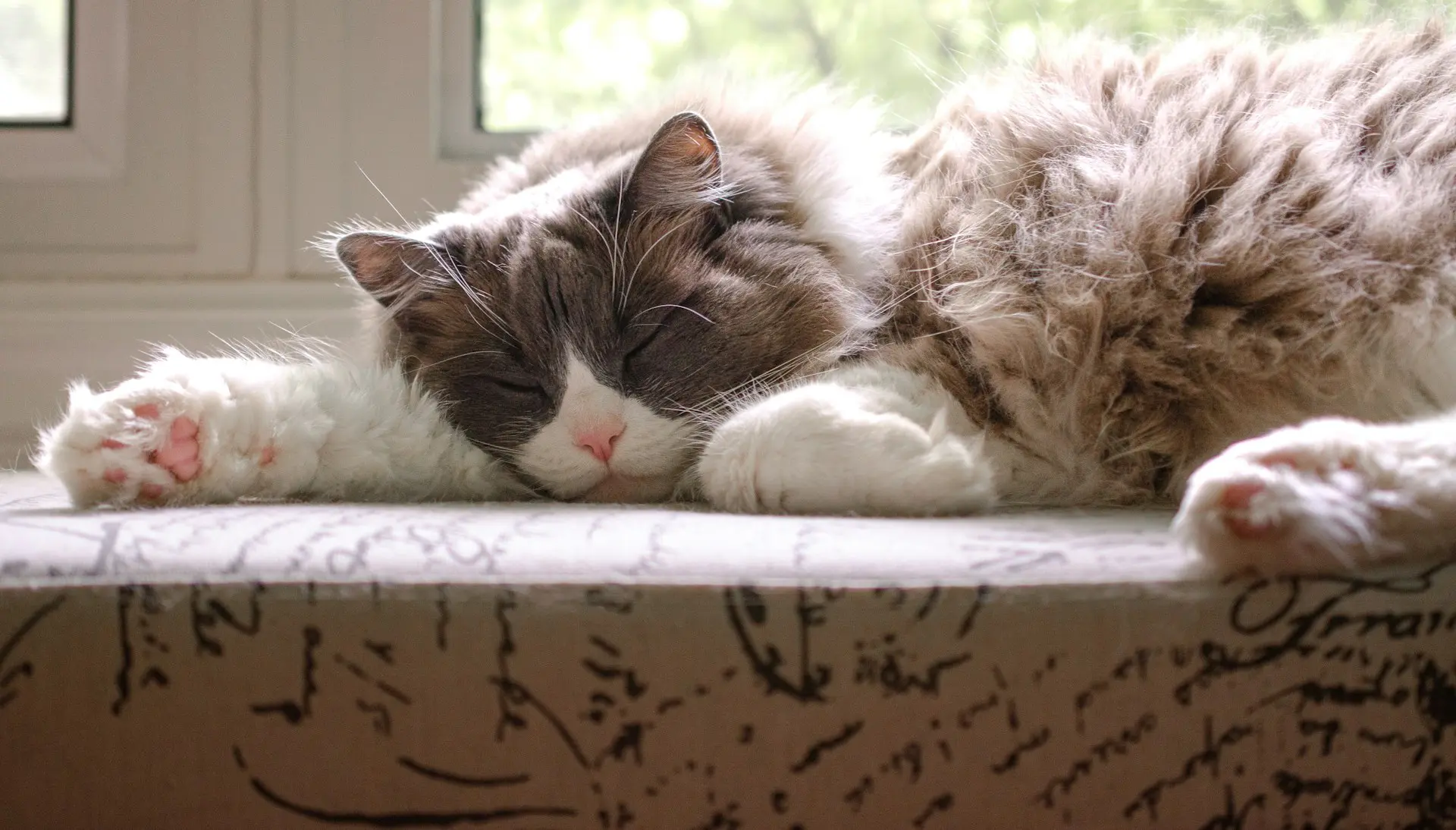
After the procedure is finished, your pet rests in a warm and quiet recovery area. We keep them where we can see and hear them at all times, and ensure that they are comfortable and safe. Sometimes, animals have a difficult time coming out of anesthesia- we have the option of giving more drugs or reversing some of the drugs used to help keep your pet calm during recovery.
At home, your pet may be groggy or sleepy for a few hours and maybe into the next day. How long they are feeling the effects of anesthesia depends on how long the procedure was and your pet’s age, among other factors. By 24-48 hours after the procedure, your pet should be feeling mostly back to normal. If this is not the case, we would want you to reach out to us with an update.
Ongoing Dental Health Support
At discharge, one of our staff members will go over at-home instructions, including medications, feeding guidelines, and what to watch for, in detail. They will also send you a toothbrush and toothpaste sample, and can give you tips on oral home care.
If you have additional questions about what to expect pet dental procedure steps or if you are ready to schedule your pet’s dental visit, our Colorado Springs team is here to help protect your pet’s long-term oral health.
Images used under creative commons license – commercial use (12/29/2025) Photo by Megan Lee on Unsplash
