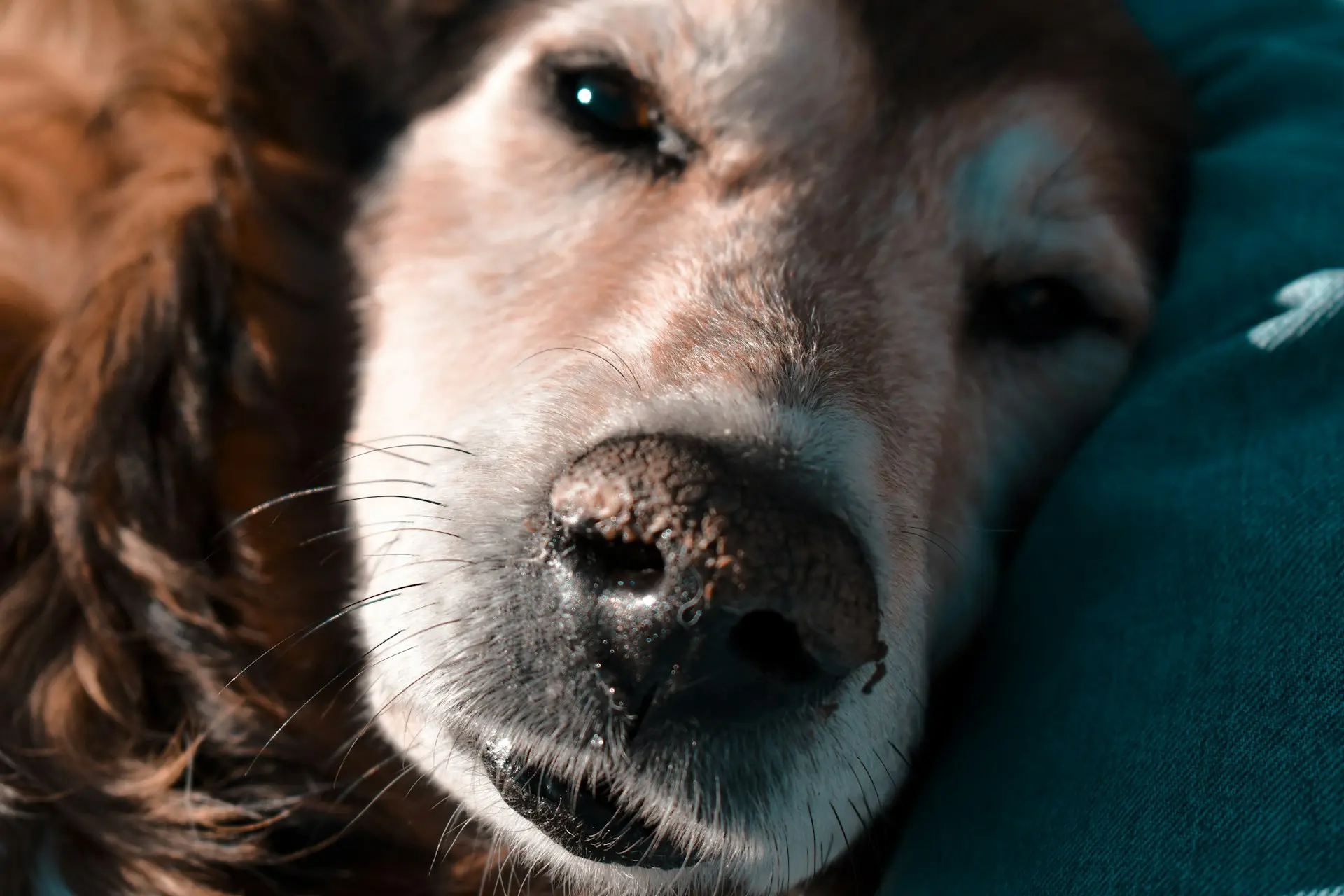
As a board-certified veterinary dentist, one of the most common things I hear from pet owners is, “But they’re still eating. How could they be in pain?” The truth is, our pets are experts at hiding discomfort, especially when it comes to their mouths. Understanding why hidden dental pain in pets occurs and how to recognize the subtle warning signs can make all the difference in protecting their health and comfort. With many cases, we have to ask not “Are they in pain?” but “How can they not be in pain?”
Why Pets Hide Dental Pain
In the wild, showing pain can be seen as a weakness. To show pain is to show weakness, and to show weakness is to be more susceptible as prey. Even though our dogs and cats live comfortable, safe lives at home, they still have that instinct to mask pain. Instead of whining or refusing food outright, they often make quiet adjustments to cope with the oral pain they are suffering from.
They might chew on one side, avoid hard toys, or simply eat slower. Unfortunately, this means dental disease often goes unnoticed until it becomes severe, with fractured teeth, exposed roots, or deep oral infections.
Common Signs of Hidden Dental Pain
You don’t need to see inside your pet’s mouth to know something is wrong. Subtle behavior or eating changes often tell the story. Here are some key red flags to watch for:
1. “My dog’s not eating hard food anymore.”
If your dog isn’t eating hard food, avoids kibble, or prefers softer options, it is often because chewing causes pain. Dogs may drop food, chew on one side, or walk away from their bowl. These are often signs of fractured teeth, inflamed gums, or oral infection. In my experience, dogs often show the most pain when molars in the back of their mouths are abscessed. These teeth tend to be exquisitely painful when infected.
2. “My cat is drooling more than usual.”
A cat drooling excessively can be an early indicator of oral pain. Cats rarely drool without cause. It can signal painful lesions like tooth resorption, gum inflammation, or severe tartar buildup. You may even notice your cat pawing at their face or avoiding their favorite food.
3. “My pet has bad breath but is still eating.”
When there is bad breath, but the pet is still eating, it is a strong sign of underlying dental disease. Pets will often continue to eat despite significant discomfort because hunger drives them. However, that odor is usually caused by bacteria below the gumline. It is a warning of periodontal disease that can lead to tooth loss and systemic infection. It is critical to remember that the survival instinct to eat is so strong in our pets that they will not give up the drive to keep eating through significant oral pain. This is another way hidden dental pain in pets continues to go unnoticed.
4. Behavior Changes
Dental pain does not always show up around mealtime. Watch for subtle differences like:
• Reluctance to play with chew toys
• Head shyness or resistance to being touched near the mouth
• Increased irritability or withdrawal
• Pawing at the face
These behaviors are your pet’s way of telling you something is not right.
Why Early Detection Matters
Dental disease is progressive. What starts as mild tartar or gingivitis can quickly become painful bone loss, tooth root abscesses, or infection spreading through the body. The earlier we identify a problem, the easier and less invasive the treatment.
During a professional dental exam and cleaning under anesthesia, we can:
• Thoroughly evaluate every tooth above and below the gumline
• Perform a cone beam CT (CBCT) scan to detect hidden damage. CBCT scans have largely replaced dental radiographs because they are 3-dimensional rather than 2-dimensional, and faster to perform than full mouth dental radiographs
• Safely remove tartar and bacteria buildup
• Treat or extract painful teeth to restore comfort
What You Can Do at Home
• Inspect your pet’s mouth to look for red gums, broken teeth, or brown buildup.
• Smell their breath. A sudden foul odor is a clue that something is wrong.
• Watch for subtle eating or chewing changes like dropping kibble or licking food rather than chewing.
• Schedule regular dental exams, at least once a year and more often for small breeds or senior pets.
• Maintain regular (daily) dental home care. This involves daily tooth brushing. However, if a pet is dealing with oral pain, it is best to wait until the pain is treated and resolved before starting this process. This is most often after a professional dental exam and treatment by your veterinarian.
Compassionate Dental Care for Pets
At Animal Dental Care and Oral Surgery, we see every day how pets come alive again after their oral pain is relieved. Owners often tell us, “They’re acting like a puppy or kitten again!” That transformation happens because dental pain was quietly affecting their quality of life. Once addressed, they can truly thrive. It is a common thing for us to see “old” adult dogs become “young” adult dogs simply because we diagnosed and treated their oral pain.
If you have noticed signs like your dog not eating hard food, your cat drooling, or bad breath, even though your pet is still eating, it may be related to hidden dental pain in pets. Your pet may not show their pain, but together we can make sure they never have to live with it.
Contact us today to schedule your pet’s dental evaluation and give them the comfort and health they deserve.