

03 Dec Why 3D Imaging Matters in Diagnosing Jaw and Tooth Problems in Dogs and Cats
When your dog or cat develops dental or jaw problems, the signs are often subtle: bad breath, pawing at the mouth, drooling, or reluctance to eat hard food. Yet beneath those clues, there may be hidden disease such as fractured roots, abscesses, or bone loss that even the most skilled veterinarian can’t see with the naked eye. That is where advanced imaging comes in. CBCT for veterinary dentistry is changing the way veterinarians diagnose oral problems in pets.
This technology allows vets to see your pet’s mouth and jaws in remarkable three-dimensional detail, something traditional dental X-rays cannot achieve. We use this imaging technique on almost every patient who visits Animal Dental Care and Oral Surgery. CBCT is quickly becoming the gold standard in veterinary dentistry for dogs and cats, transforming how oral and maxillofacial problems are diagnosed, treated, and prevented.
1. What Is Cone Beam Computed Tomography (CBCT)?
Cone Beam Computed Tomography is a specialized type of 3D imaging originally developed for human dentistry and medical imaging, now widely adapted for veterinary use.
A CBCT machine uses a cone-shaped X-ray beam that rotates around the patient’s head, capturing hundreds of detailed images in less than a minute. A computer then combines these images into a complete three-dimensional model of the skull, teeth, and surrounding structures.
Unlike traditional 2D dental radiographs, which flatten everything into a single plane, CBCT shows the full depth and spatial relationships of teeth, roots, bone, and sinuses. The result is a clear, detailed map of your pet’s oral health, allowing for more accurate diagnosis and safer, more effective treatment.
Animal Dental Care and Oral Surgery in Colorado Springs was the first clinic in the state of Colorado to have a CBCT unit. It is quickly becoming the standard of care in specialty veterinary dentistry, and we are proud to lead the way and be the first in our state to add this amazing technology.
2. Why Traditional X-Rays Aren’t Always Enough
Standard dental X-rays are still useful for many procedures, but they have limitations. They can only show structures in two dimensions, and overlapping anatomy can hide critical details.
In dogs and cats, the oral cavity is especially complex:
- Many tooth roots overlap on standard films.
- The maxillary (upper jaw) bone is dense, obscuring subtle lesions.
- Tiny fractures, resorptive lesions, or early bone changes may go unseen.
As a result, 2D X-rays sometimes underestimate the extent of disease. In contrast, CBCT imaging eliminates guesswork by showing each structure from multiple angles, revealing problems that might otherwise remain hidden.
3. What CBCT in Veterinary Dentistry Reveals About Your Pet’s Oral Health
CBCT provides an unmatched level of diagnostic detail for dogs and cats. Here are just a few of the conditions it helps veterinarians evaluate more precisely:
- Tooth root infections and abscesses: CBCT can pinpoint the exact location and extent of infection, even if it lies deep below the gumline.
- Tooth resorption (especially common in cats): The scan reveals how far the resorption has progressed and whether the tooth can be monitored or must be extracted.
- Fractured teeth and retained roots: Tiny root fragments left after previous dental work or after a tooth fractured are easily seen on a 3D scan.
- Jaw fractures: CBCT shows the precise fracture line and the relationship to nearby teeth and other critical structures, guiding surgical repair.
- Nasal and sinus problems: Because dental disease often extends into the sinuses, CBCT can detect hidden sinus infections or tumors.
- Oronasal fistulas: In small-breed dogs, CBCT helps locate and assess openings between the mouth and nasal cavity that can form after severe dental disease.
- Bone loss from periodontal disease: Instead of guessing based on X-rays, CBCT provides exact measurements of bone loss and helps plan advanced treatments.
This level of detail allows for early detection, which is especially critical since dogs and cats instinctively hide pain and discomfort.
4. Safer, Smarter, and More Predictable Treatment Planning
With CBCT, veterinary dentists and surgeons can plan procedures with surgical-level precision before ever making an incision.
For example:
- In tooth extractions, CBCT shows the exact root shape and orientation, reducing the risk of breaking roots or damaging nerves and blood vessels.
- In jaw surgery, it identifies bone density and landmarks, helping the surgeon choose the safest approach.
- In endodontic (root canal) therapy, it maps the entire root canal system, ensuring no canals are missed.
CBCT is especially helpful for complex cases, such as trauma, malocclusion, or congenital jaw deformities.
By visualizing everything in 3D beforehand, veterinarians can perform procedures more efficiently, reduce anesthesia time, and lower the risk of complications.
5. Safety and Efficiency
Despite its advanced capabilities, CBCT is both safe and efficient.
- Fast: Most CBCT scans take under 60 seconds.
- Low radiation: Modern veterinary CBCT units use radiation doses comparable to or lower than a full-mouth dental X-ray series.
- Non-invasive: The scan is performed while the pet is anesthetized for a dental procedure, so there’s no discomfort or stress.
Because all diagnostic data are gathered in one quick scan, there’s less need for repeat imaging.
6. The Future of Veterinary Dentistry
CBCT is rapidly becoming the cornerstone of advanced veterinary dental and oral surgical care. As more clinics adopt this technology, veterinarians can integrate scans with digital modeling and 3D printing to create surgical guides or prosthetic templates.
This combination of CBCT imaging, digital planning, and precise surgical execution is setting a new standard for veterinary oral health, one focused on accuracy, safety, and compassion.
CBCT for Veterinary Dentistry Matters for Your Pet’s Health
Cone Beam Computed Tomography (CBCT) represents the most significant advancement in veterinary dental imaging in decades. By providing a detailed, three-dimensional view of the teeth, jaws, and surrounding structures, it allows veterinarians to diagnose disease earlier, plan treatments more safely, and ensure better outcomes for dogs and cats.
For pet owners, CBCT for veterinary dentistry means peace of mind knowing that nothing is hidden and every decision is based on the clearest possible understanding of your pet’s oral health.
In short, CBCT helps veterinarians see what others can’t, and that can make all the difference for your pet’s comfort, safety, and long-term well-being.
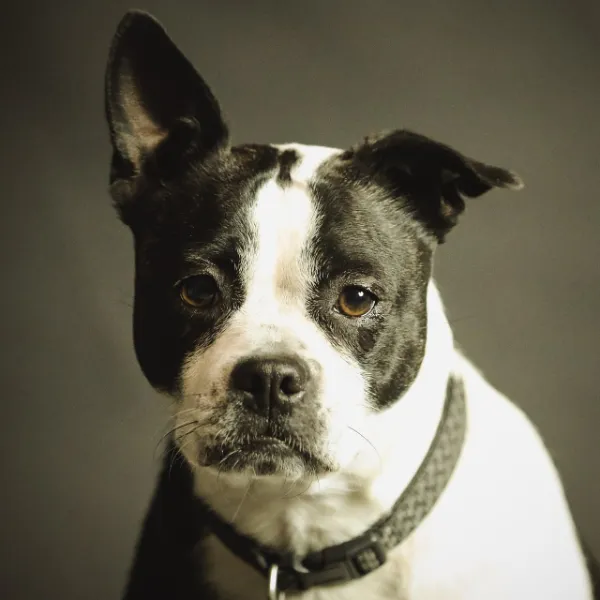
Images used under creative commons license – commercial use (12/03/2025) Photo by Dorothe Wouters on Unsplash